
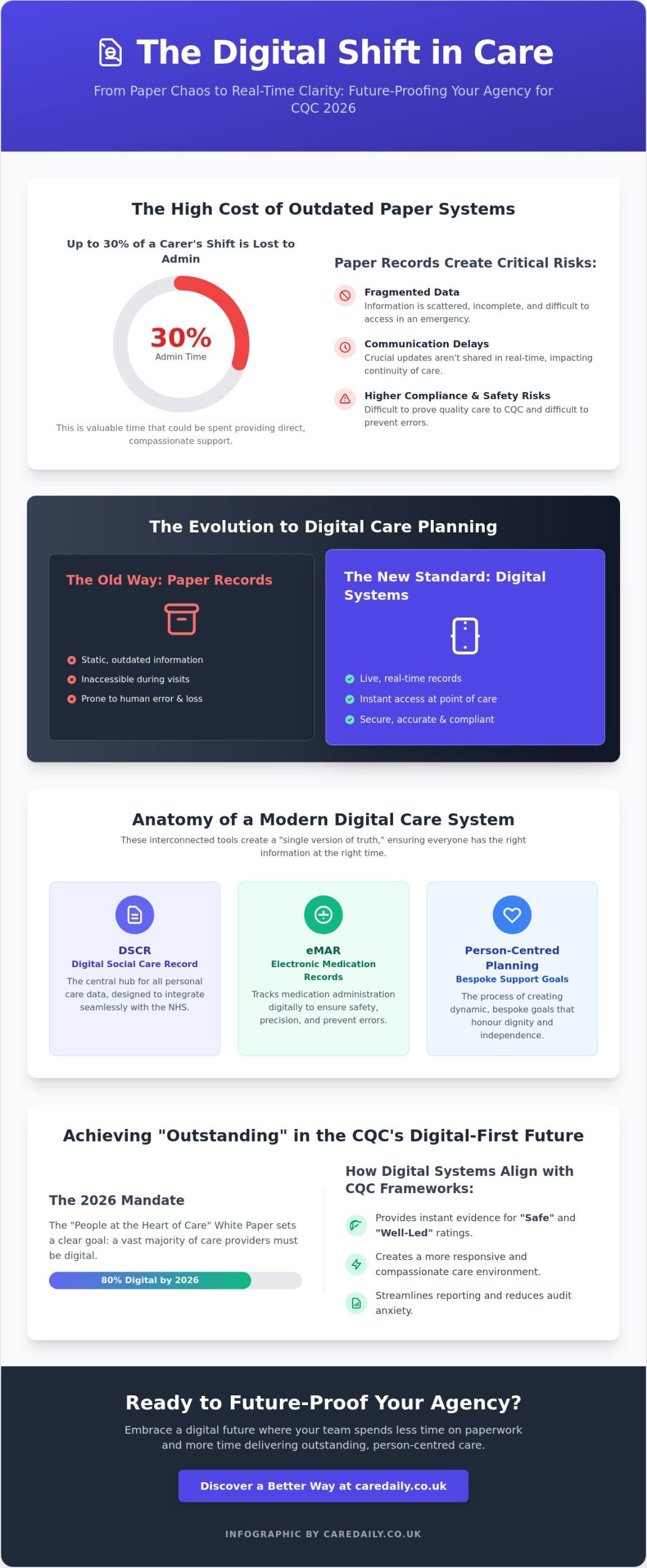
What if the hours your team spends wrestling with overstuffed ring binders could be returned to the people who need them most? You likely feel the weight of the CQC’s Single Assessment Framework, where the pressure to provide instant, high-quality evidence through digital care planning can feel like a constant shadow over your daily work. It’s a common struggle; sector reports indicate that administrative tasks can consume up to 30% of a carer’s shift, leaving less room for the compassionate, bespoke support that defines your agency. You want to provide peace of mind to families, but the anxiety of a difficult inspection or staff resisting new tools often creates a barrier to progress.
We believe that technology should be a quiet partner in care, not a source of stress. This guide explains how modern systems transform your operations by replacing messy paperwork with real-time visibility and streamlined compliance. You will discover how to move your agency toward a more efficient future where carers spend more time on dignity and independence and less on filing. We will walk you through the essential steps to achieve a “Good” or “Outstanding” rating in 2026, ensuring your team feels confident and your service users remain at the heart of everything you do.
Key Takeaways
- Discover how moving from static paper files to live, real-time records creates a more responsive and compassionate environment for those you support.
- Learn how digital care planning aligns your agency with the CQC’s latest assessment framework to ensure you remain “Safe,” “Well-Led,” and fully compliant.
- Identify the essential data points needed to create bespoke care routines that honor the dignity and independence of every service user.
- Explore a practical roadmap for a smooth digital transition, focusing on empowering your staff and building confidence through digital champions.
- Find out how integrating expert-led policies with daily records provides lasting peace of mind and operational efficiency for your entire agency.
Understanding Digital Care Planning: From Paper Folders to Real-Time Records
For decades, care providers relied on thick paper folders to track a person’s life. These static files often felt cold and disconnected from the vibrant individual they described. Today, digital care planning replaces those dusty archives with live, cloud-based records that breathe with the person receiving care. It’s more than just a software upgrade; it’s a commitment to dignity. By moving away from snapshots in time, we ensure that every dedicated professional involved in a loved one’s journey has access to real-time updates.
This transition is deeply rooted in the foundational concept of advance care planning, where we honor a person’s future wishes through clear, accessible documentation. When records are digital, they aren’t just stored; they’re active. They allow for a “calm in the storm” approach, where information is always ready when it’s needed most, providing families with immediate comfort and safety.
The Evolution of Care Documentation in the UK
The journey from handwritten logbooks to digital screens has been rapid. In 2021, the Government’s “People at the Heart of Care” White Paper set a bold mandate for the sector. By early 2026, 80% of UK care providers have successfully moved to digital platforms. This shift wasn’t just about efficiency. Paper records carry high risks, including fragmented data and communication delays that can impact safety. We’ve seen how digital systems provide the “continuity of care” families crave, ensuring that a change in staff doesn’t mean a drop in the quality of support. Choosing digital means choosing a safer, more transparent way to protect your independence.
Key Terminology: DSCR, eMAR, and Care Management
Understanding the technical side of care can feel daunting for families. A Digital Social Care Record (DSCR) is the core of this system, designed to integrate seamlessly with the NHS. It works alongside eMAR (Electronic Medication Administration Records) to ensure safety and precision. These tools talk to each other to create a “single version of truth.”
- DSCR: The central hub for all personal care data and NHS communication.
- eMAR: A digital system that tracks medication to prevent errors.
- Digital Care Planning: The overarching process of creating bespoke, person-centered support goals.
This means whether a companion is checking a bespoke meal preference or a nurse is reviewing medication, they’re looking at the same live data. It’s about creating a sanctuary of safety within the home. When systems communicate perfectly, it reduces the emotional weight on you, providing total peace of mind that your loved one is being seen and understood in real-time.
The Core Components of a Modern Digital Care Plan
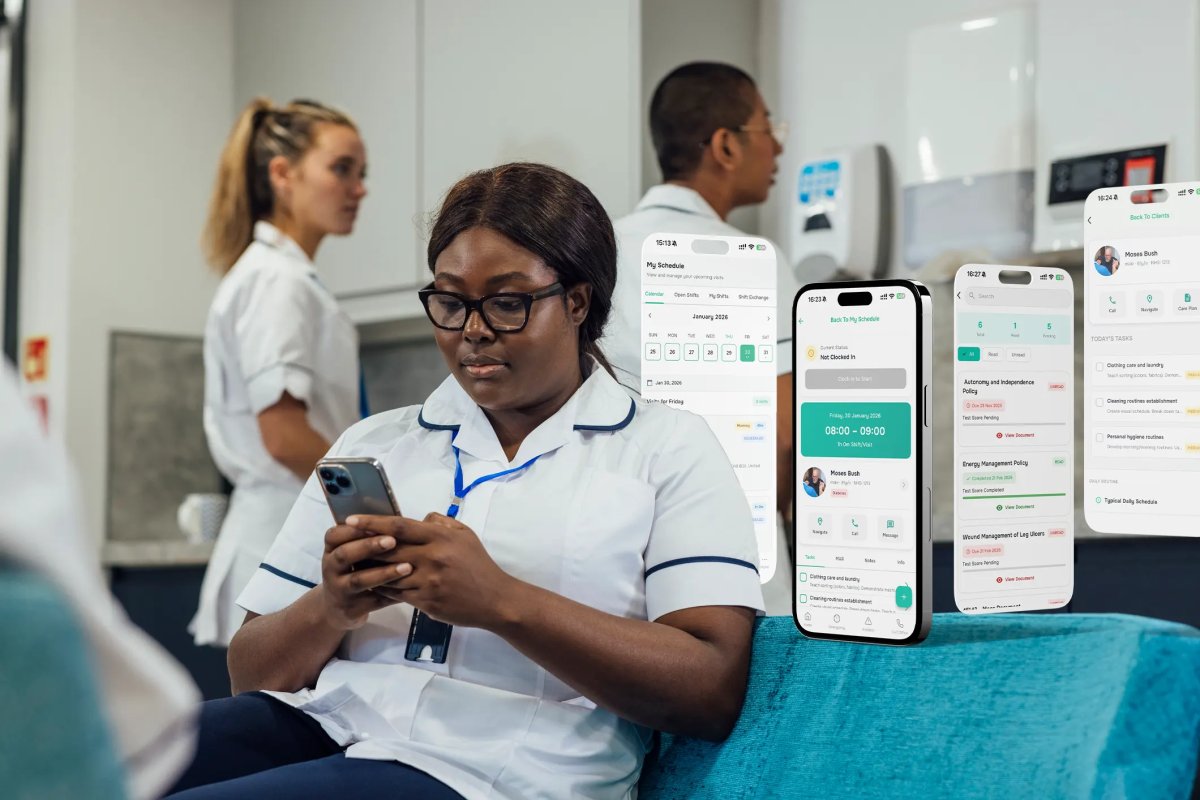
A modern digital care plan acts as a dynamic blueprint for support. It moves beyond static text to include a service user’s full medical history, intricate daily routines, and personal preferences. We see this as a way to ensure every team member understands the person, not just the patient. By 2026, the standard for digital care planning requires these records to be updated instantly at the point of care. Caregivers use mobile devices to log interactions as they happen. This eliminates the end-of-shift rush and ensures accuracy for every entry.
The government’s digital revolution highlights that moving away from paper can save millions of administrative hours. This time is better spent providing direct support. Digital workflows now bake in essential clinical tools like Waterlow pressure sore assessments or MUST (Malnutrition Universal Screening Tool) scores. These assessments trigger automatically based on the schedule you set, ensuring no vital check is ever missed. This proactive approach allows for bespoke care that adapts as quickly as a person’s needs change.
Person-Centred Care at the Heart of the System
Digital tools help us capture the small details that make a house feel like a home. You can upload photos of a beloved pet or videos of a specific physiotherapy routine to enrich the service user’s story. It’s about capturing “what matters to me” rather than just a list of clinical needs. Person-centred care is a collaborative process between the individual and the provider, rather than a one-way transaction. If you’re evaluating which tools best support this approach, our person centred software comparison guide for UK care providers can help you identify the right platform for your agency. This approach ensures we preserve dignity and independence for every person we support.
Integrating Medication and Clinical Data
Safety is our priority, and modern planning software connects directly with electronic MAR charts for domiciliary care. This integration provides a single source of truth for every tablet and treatment. You’ll receive automatic alerts for missed medications or tasks, which significantly reduces the risk of human error. Moving away from paper MARs helps eliminate transcription mistakes that often occur during manual handovers. If you’re feeling anxious about these technical transitions, you can speak with our compassionate guides to find the right path forward for your family.
Why Digital Planning Is Essential for 2026 CQC Compliance
By 2026, the Care Quality Commission (CQC) expects providers to embrace technology as a standard part of their daily operations. The Single Assessment Framework relies on real-time data to judge how well your service performs. Digital care planning allows you to meet these expectations with confidence. It transforms the way you demonstrate your commitment to the “Safe” and “Well-Led” domains. When you use a digital system, you provide a clear, timestamped window into the care you deliver every day. This provides the “calm in the storm” that managers need during an inspection.
Inspectors no longer need to sit in your office for days sifting through dusty folders. You can grant them remote access to your records, which significantly reduces disruption to your service users’ daily lives. This transparency builds trust. Every entry creates an immutable audit trail. You’ll know exactly which professional updated a record and when they did it. This level of accountability is a cornerstone of the UK government’s digitising social care programme, which aims to create a more joined-up health system for everyone.
Evidence of Outcomes, Not Just Actions
The CQC has shifted its focus. They want to see how your support improves a person’s quality of life, rather than just a list of completed tasks. Digital reporting makes it easy to track a resident’s progress toward their bespoke goals. You can see at a glance if a new mobility plan is helping someone regain their independence. For the best results, ensure your care plans are directly linked to CQC compliant care policies and procedures. This creates a seamless loop between your official guidance and the actual care provided on the frontline. It proves that your team isn’t just following a routine; they’re following a strategy designed for the individual.
Data Security and GDPR in Social Care
We understand that moving sensitive information to the cloud can feel daunting. A digital record is far more secure than a paper folder sitting on a kitchen table or in an unlocked cabinet. Modern systems use advanced encryption and strict access controls to protect health data. You control exactly who sees what. This helps you meet your legal responsibilities under UK GDPR effortlessly. It gives families peace of mind knowing their loved one’s private details are shielded from unauthorized eyes. You’re not just protecting data; you’re protecting the dignity and privacy of the people you support.
Making the Switch: A Manager’s Roadmap to Digital Transformation
Moving from traditional paper files to a modern system is a significant shift for any care setting. It requires a clear strategy to ensure the transition enhances, rather than disrupts, the quality of life for your residents. You can follow this five-step roadmap to navigate the change with confidence.
- Step 1: Audit your paper trail. Map out every form, chart, and diary currently in use. A 2023 study by the National Care Forum indicated that carers can spend up to 20% of their shift on manual documentation. Identify these bottlenecks first.
- Step 2: Engage your team early. Don’t wait until the software is bought to talk to your staff. Identify “digital champions” within your team who are naturally tech-savvy and can help their peers feel comfortable.
- Step 3: Prioritize clinical depth. Choose a platform for digital care planning that balances complex clinical requirements with a simple interface. If it’s too difficult to use, it won’t be used correctly.
- Step 4: Execute a phased rollout. Avoid a “big bang” approach. Start with a small group of five service users for at least 14 days. This allows you to iron out any kinks in the workflow before a full launch.
- Step 5: Review and refine. Schedule a formal feedback session 30 days after implementation. Listen to your carers’ experiences and adjust the bespoke settings of your platform to better suit your home’s unique rhythm.
The Human Element: Supporting Staff Through Change
Technology can feel intimidating for long-serving carers who have spent decades using paper. We believe the key to success is empathy. You should implement a “train the trainer” model, where your digital champions provide hands-on, peer-to-peer support. This approach builds confidence faster than a manual ever could. Focus the conversation on how digital care planning reduces the “admin headache.” When staff see they have 45 minutes more each day to spend with residents, the software becomes a partner in care rather than a chore.
Choosing the Right Partner
Your digital partner must understand the UK care landscape intimately. Look for providers that offer UK-based support and demonstrate clear CQC alignment to help you maintain a “Good” or “Outstanding” rating. Mobile accessibility is essential; your dedicated professionals need to record care at the point of delivery, not back at a nurse’s station. When comparing your options, reviewing a dedicated guide to person centred software for UK care providers can help you evaluate which platforms truly align with CQC expectations and your agency’s unique needs.
A vital component of modern care is transparency. We recommend choosing a system that includes a family portal for care homes. This tool involves loved ones in the care journey, providing them with real-time updates and much-needed peace of mind. Generic, “off-the-shelf” software often fails because it lacks the nuance required for person-centered support. A bespoke, care-focused platform ensures that the dignity and independence of every resident remain the priority.
We are here to help you move forward with clarity and compassion. Discover how our bespoke care solutions can transform your home today.
Future-Proofing Your Agency with CareDaily’s Integrated Platform
Transitioning to a new system shouldn’t feel like a cold, technical chore. We act as your Compassionate Guide, ensuring your move to digital care planning is as smooth and supportive as possible. Our platform is unique because it integrates over 2,000 CQC-compliant policies directly into your daily care planning routines. This means your staff aren’t just recording data; they are following best-practice guidelines that are updated automatically as regulations change. It’s a proactive way to ensure compliance is woven into the fabric of your agency.
We’ve designed our interface to offer “calm in the storm” management. Care managers often face high-pressure environments where split-second decisions matter. Our system simplifies complex data so you can focus on what truly counts: the people in your care. Because our support team is based in Manchester, you’ll always speak to someone who understands the specific nuances of the UK care sector. We’re your neighbors, and we’re committed to your success as you navigate the challenges of modern social care.
Total Oversight, Total Peace of Mind
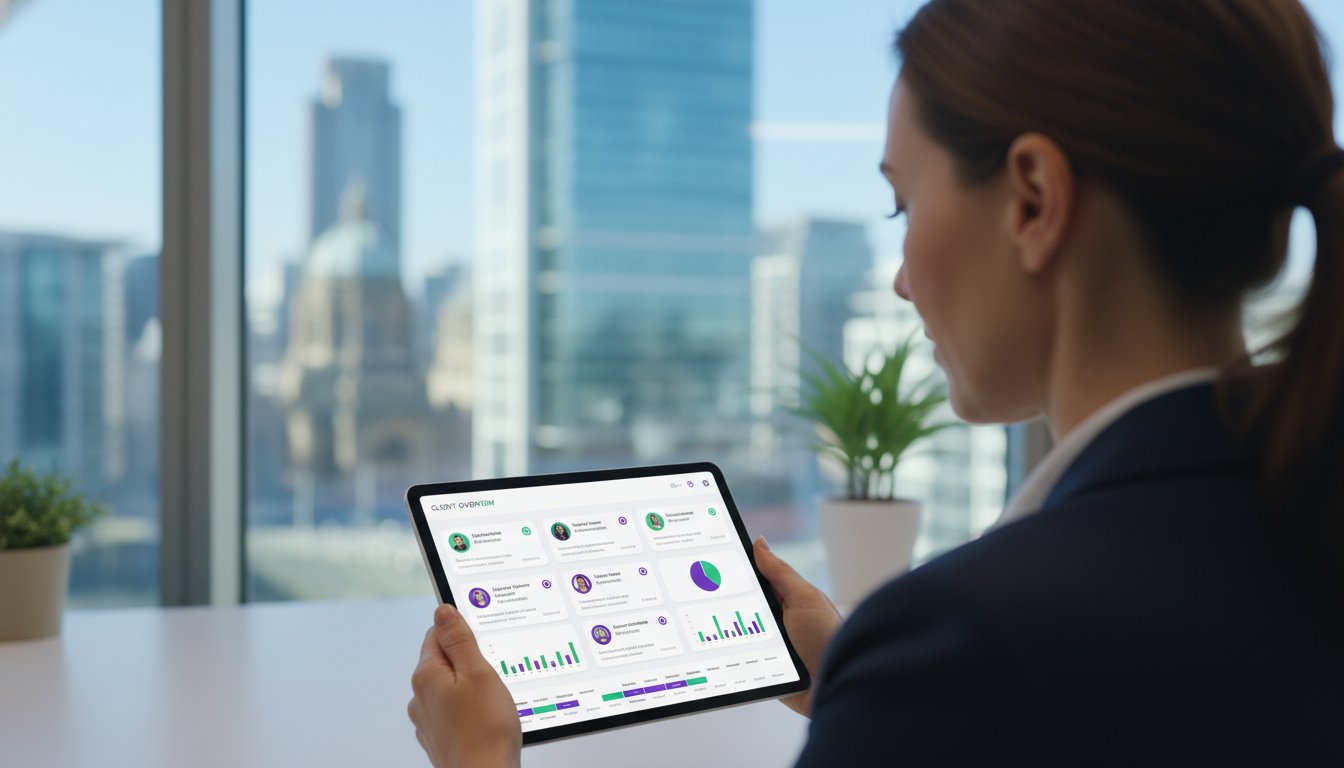
The CareDaily dashboard gives you a bird’s-eye view of all visits in real-time. You can see exactly which carers are on-site and which tasks have been completed. This level of transparency is vital for maintaining high standards and identifying potential issues before they escalate. The system handles medication management alongside daily tasks, creating a single source of truth for every service user. By centralizing this information, agencies can significantly reduce the risks associated with transcription errors or missed doses.
Our implementation process reflects our role as a Trusted Local Expert. We know that adopting digital care planning can feel daunting for teams used to traditional methods. We provide hands-on support to ensure your staff feel confident and empowered from day one. We don’t just provide software; we build partnerships that prioritize the quality of life for those you support. Our goal is to give you back the time you need to lead your team with heart.
Ready to Start Your Digital Journey?
We invite you to join us for a low-pressure consultation. This is a chance to discuss your agency’s specific challenges and see how our bespoke tools can help you meet your goals. We’re dedicated to preserving the dignity, independence, and safety of every service user. Technology should be a bridge to better care, not a barrier. Let us help you build that bridge and secure the future of your agency. Book a discovery call with the CareDaily team today.
Securing Your Agency’s Future for 2026 and Beyond
Transitioning to digital care planning isn’t just about replacing dusty paper folders; it’s about reclaiming vital time to focus on what matters most. By 2026, CQC compliance will require the level of transparency and real-time accuracy that only integrated systems provide. You deserve a partner who understands the local landscape and the emotional weight of your work. Our Manchester-based expert support team currently helps hundreds of UK care providers navigate these complex changes with confidence. We’ve integrated a CQC-aligned policy library directly into our platform to ensure your agency stays ahead of regulatory shifts without the stress. This shift protects your dedicated professionals and honors the dignity of those you support in their own homes. You’ll simplify your daily operations while ensuring every bespoke care plan remains accurate and accessible. We’re here to guide you through every step of this journey, providing the peace of mind you need to lead your team. Let’s build a safer, more compassionate future together.
Book your bespoke CareDaily demo and see digital care planning in action
Frequently Asked Questions
Is digital care planning mandatory for CQC inspections in 2026?
Yes, the CQC now expects providers to use digital systems to meet the standards set by the Department of Health and Social Care. By March 2024, the government targeted an 80% uptake of Digital Social Care Records (DSCR) across all registered providers. In 2026, inspectors use the Single Assessment Framework to look for real-time data sharing and evidence of high-quality, bespoke care that paper files simply can’t provide as effectively.
How long does it take to move from paper to digital care records?
You can expect a full transition to take between 4 and 12 weeks depending on the size of your agency. Smaller domiciliary teams often complete the migration in 30 days by digitizing one client’s records at a time. This steady pace ensures your dedicated professionals feel confident and supported without disrupting the vital home-based support they provide every day.
Will digital care planning work if our carers have poor internet access?
Most modern digital care planning platforms include an offline mode that saves data directly to the device. Once your carer reaches a 4G signal or a Wi-Fi connection, the system automatically syncs the updates to the central record. This feature ensures continuity of care in rural areas, so you don’t have to worry about losing important information during a home visit.
Can service users and their families access digital care plans?
You can grant families secure access through dedicated portals that offer real-time updates on their loved one’s daily activities. Approximately 90% of modern digital systems include a family app where you can share photos and care logs instantly. This transparency builds a bridge of trust and provides families with essential peace of mind while honoring the service user’s independence.
What happens to our old paper records after we switch to digital?
You must legally retain your old paper records for at least 3 years after the last entry to comply with CQC and GDPR requirements. Many providers choose to scan these archived documents into their new digital care planning system for quick reference. Once the retention period expires, you should use a certified confidential shredding service to protect the dignity and privacy of your clients.
Is digital care planning software expensive for small domiciliary agencies?
Digital systems often pay for themselves by reducing administrative tasks by roughly 15 hours per week for a typical small agency. While costs vary between software vendors, the UK government’s Digitising Social Care program has previously provided local authority grants to help providers with the initial investment. Switching to digital helps you avoid the recurring costs of printing, paper, and physical storage space.
How does digital care planning improve the safety of medication administration?
Digital systems can reduce medication errors by up to 50% by using Electronic Medication Administration Records (eMAR) with automated alerts. If a dose is missed, the system sends an immediate notification to the manager’s dashboard. This proactive approach ensures every bespoke care plan is followed safely, which significantly improves the quality of life for those in your care.
What training is required for staff to use digital care systems effectively?
Most care staff require between 2 and 6 hours of hands-on training to become comfortable with the new interface. We find that appointing a “super user” who receives 10 hours of advanced instruction helps provide local support to the rest of the team. This structured approach ensures your companions feel expert and capable, allowing them to focus on the human side of care rather than the technology.