What if the secret to a healthier bottom line wasn’t found in cutting costs, but in reclaiming the hours your senior carers currently lose to manual paperwork? With the removal of the three-day waiting period for Statutory Sick Pay in April 2026 and the ongoing struggle to fill 84% of open positions, managers are facing unprecedented financial pressure. You’re likely searching for how to improve care home EBITDA whilst the costs of agency staff and regulatory requirements continue to climb. At Care Daily, we find that the most successful providers don’t compromise on quality; they simply remove the administrative friction that prevents their teams from focusing on person-centred care.
We understand that balancing a sustainable budget with the high standards expected by the regulator feels like a constant tightrope walk. This guide shares practical, data-driven strategies to help you optimise your operational efficiency and reduce unsustainable agency spend. You’ll discover how digitising your rostering and compliance can lead to a healthier bottom line for reinvestment and improved CQC ratings.
Key Takeaways
- Understand how your core operational profitability directly influences your capacity to borrow and expand your residential care service.
- Learn why even a minor increase in resident occupancy, backed by documented clinical outcomes, can significantly transform your financial health.
- Identify the specific steps needed to reduce reliance on expensive agency staff, which often represents the largest drain on your resources.
- Discover how to improve care home EBITDA by automating administrative tasks and reclaiming valuable time for your senior care team.
- See how moving to a digital care management and policy platform ensures continuous compliance without the need for costly external consultants.
What is Care Home EBITDA and Why Does it Matter in 2026?
EBITDA stands for Earnings Before Interest, Taxes, Depreciation, and Amortisation. It represents your home’s core operational profitability. It is the clearest indicator of a care home’s ability to generate cash from its daily operations. Understanding this metric is the first step in learning
how to improve care home EBITDA whilst maintaining high standards of support. When you benchmark your performance against UK industry averages, you can quickly identify hidden inefficiencies that might be draining your resources. Lenders in the UK often use a multiple of your EBITDA to determine your borrowing capacity for expansion. If you are looking to understand the fundamentals of the sector, exploring
What is a Care Home? provides context on the diverse service types that all rely on these financial health markers.
The Role of EBITDA in Care Home Valuation
Investors and buyers do not just look at your turnover; they apply a “multiple” to your EBITDA to calculate the total value of your service. At Care Daily, we have observed that a higher multiple is almost always awarded to homes with Good or Outstanding regulatory ratings. Consistency in EBITDA growth signals a well-managed, low-risk operation to potential partners. If your financial performance is stable, you are a much more attractive prospect for reinvestment. A solid EBITDA allows you to modernise facilities or increase staff training without compromising your financial security.
Why 2026 Requires a New Financial Perspective
The financial landscape shifted on 6 April 2026. With Statutory Sick Pay now payable from the first day of sickness and the removal of the lower earnings limit, your payroll costs have likely increased. Rising energy costs and National Living Wage increases make margin protection more critical than ever before. The regulator now looks at financial sustainability as part of the well-led domain, meaning your books are as much a part of compliance as your care plans. At Care Daily, we find that providers who track digital KPIs have a 15% clearer view of their EBITDA. Using our
care residential home policies and management tools helps you monitor these figures in real time, ensuring you stay ahead of legislative changes whilst protecting your margins.
Maximising Revenue Streams through Quality and Occupancy
Occupancy is the engine of your revenue. Even a 2% increase in resident numbers can significantly bolster your EBITDA. However, simply filling beds isn’t enough; you must also balance your service user mix between private payers and local authority contracts. This diversification helps you balance risk and reward, especially as average residential care costs reach £1,298 per week in 2026, whilst nursing care averages £1,535. Premium fee levels are only achievable when you can demonstrate superior clinical outcomes to local authorities, proving that your team provides more than just the basics. Our customers tell us that digital evidence of care helps them justify fee increases during annual reviews, providing the data needed to show exactly why a resident’s support requirements have changed.
Driving Premium Fees via Regulatory Excellence
A “Good” or “Outstanding” rating allows you to position your home as a premium provider. This isn’t just about pride; it’s about the financial multiple investors apply to your service. To maintain these standards, your documentation must be flawless. Using
cqc compliant care policies and procedures ensures your documentation never fails an inspection, protecting your reputation and your revenue. Digital care records provide the “audit trail” required to prove the value of the support you provide, making it much easier to negotiate higher fees based on clinical excellence. This transparency builds a bridge of trust between your home and the local authority commissioners.
Managing Occupancy with Digital Oversight
Tracking enquiry-to-admission ratios is essential to identify where your marketing or assessment process might be failing. If you are losing potential residents because the pre-admission process is too slow, you are leaving money on the table. You can reduce “void” periods by streamlining assessments using digital tools, ensuring beds are filled as quickly as possible. Maintaining high occupancy also relies on long-term trust. Using a family portal to keep relatives informed and happy reduces the risk of families seeking alternative placements. If you are looking for
how to improve care home EBITDA through better resident management, you can
start your digital transition today to see the impact on your occupancy rates.
Controlling the Two Largest Cost Drivers: Staffing and Compliance
Staffing is the heartbeat of any home, yet it remains the heaviest financial burden. Typically, staffing accounts for 55% to 70% of total operating costs in a UK care home. When these costs spiral due to high agency usage, your margins suffer immediately. Agency spend is the single biggest “EBITDA killer” due to high hourly rates and commission fees. We understand that reducing agency usage by just 10% can add thousands of pounds directly back into your EBITDA. Compliance overheads also take a toll. Manual auditing and policy updates consume hundreds of management hours annually, pulling senior staff away from the residents who need them most.
Eliminating Excessive Agency Spend
Gaining control over your rota is essential. Implementing
staff rostering software allows you to improve shift coverage and reduce last-minute gaps that often force you to call an agency. We recommend building a “bank” of reliable carers who can cover shifts at standard rates rather than agency premiums. Retention is equally important. At Care Daily, our customers tell us that reducing administrative burnout through mobile-first care planning tools helps keep their best people in the business. When carers feel supported and less overwhelmed by paperwork, they are far more likely to stay.
Reducing Administrative Overheads with eMAR
Manual MAR charts are prone to human error. They require hours of senior carer time to audit every week, which is a significant hidden cost. Switching to an
eMAR system reduces medication errors and the costly remedial action they often require. Digital medication records allow for “exception reporting,” meaning managers only intervene when a problem actually occurs. This targeted approach saves time and ensures residents stay safe. If you want to see
how to improve care home EBITDA by streamlining your medication management and staffing, you can
get started with our platform today.
Building a Leaner Operation with Care Management Technology
We find that fragmented systems often hide the very inefficiencies you are trying to solve. Care Daily offers an integrated care management and policy compliance platform that replaces multiple disparate systems. This consolidation is vital when you are looking for
how to improve care home EBITDA because it removes the cost of paying for separate, unconnected tools. Centralised documentation significantly reduces the time your team spends preparing for inspections. Instead of frantic folder-checking, your managers can focus on business growth and resident well-being. Real-time data dashboards also help you spot financial leaks, such as over-staffing during low-occupancy periods, allowing you to adjust your resources before they impact your margins.
Automating Compliance with a Digital Policy Library
Manual policy updates are a significant drain on management resources. They also carry high non-compliance risks if a change in legislation is missed. You can access a library of
care home policies that are automatically updated as regulations change. This approach reduces the cost of professional advice by using pre-written, expert-vetted templates for every scenario. It’s a practical way to ensure you are always compliant without hiring expensive external consultants. It gives you the peace of mind that your service is operating on the most current guidance whilst freeing up your senior team for clinical oversight.
Streamlining Care Planning for Efficiency
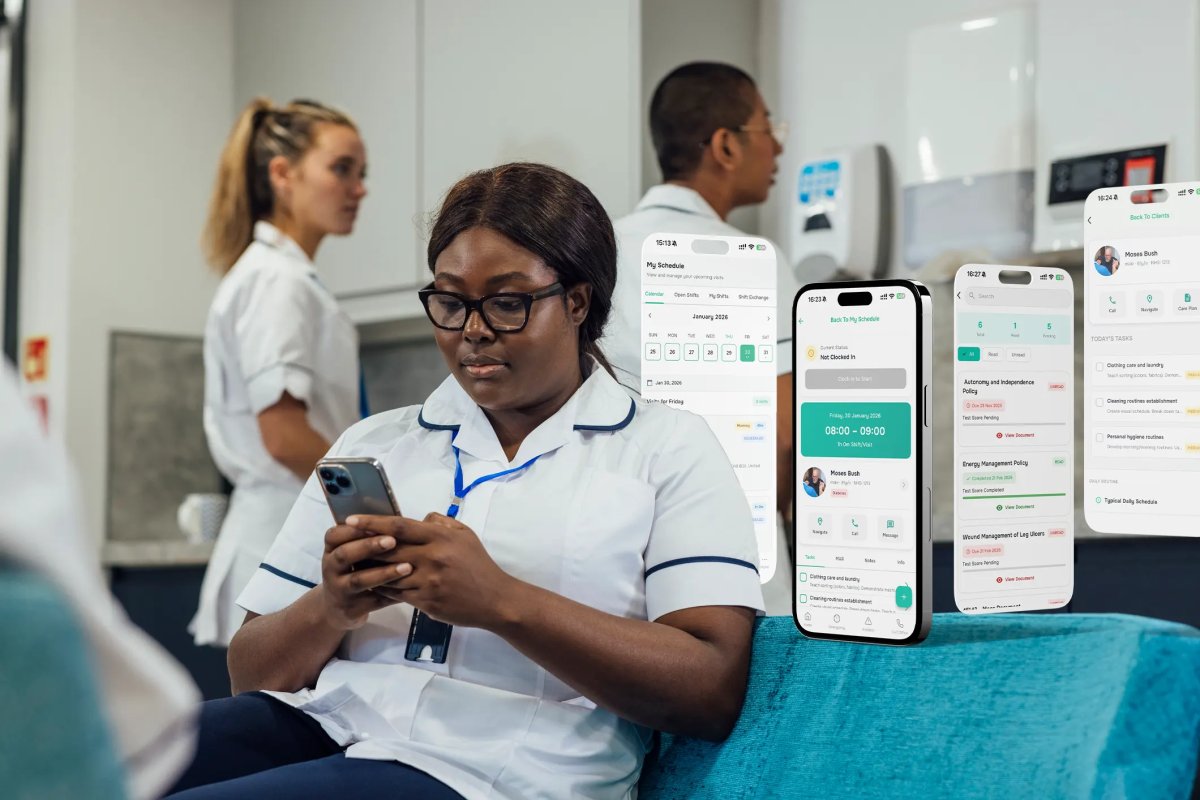
Digital care planning allows carers to document at the point of care. This shift saves up to an hour per shift for every member of staff. Improved data accuracy leads to better health outcomes, which reduces the likelihood of hospital admissions and the resulting void beds. When your records are accurate and accessible, your staff feel more confident and your residents receive more consistent support. This efficiency isn’t just about saving time; it’s about creating a stable environment where both residents and staff can thrive. You can
request a demo of Care Daily to see how our platform transforms operational efficiency into financial growth.
Protecting your margins in 2026 requires a shift from manual oversight to digital precision. We have explored how high occupancy and clinical excellence create a foundation for revenue, but the real gains come from reclaiming hours lost to paperwork. By addressing the “EBITDA killers” like excessive agency spend and manual auditing, you create a more stable environment for your team and residents alike. Understanding
how to improve care home EBITDA is about empowering your carers to focus on what they do best: providing high-quality support.
At Care Daily, we are proud to be trusted by 500+ UK care providers who use our integrated eMAR and rostering tools to streamline their daily operations. Our platform also includes a CQC-aligned digital policy library to keep your service compliant whilst reducing the need for expensive consultants. You can
book a demo to see how Care Daily improves your operational margin and helps you build a more resilient business. Investing in the right technology today ensures that your home remains a sanctuary of high-quality care for years to come.
Frequently Asked Questions
What is a good EBITDA margin for a UK care home in 2026?
A healthy EBITDA margin typically falls between 20% and 28% for well-managed UK care homes, although this varies depending on whether you provide nursing or residential support. In the current 2026 climate, maintaining a margin at the higher end of this scale is essential to offset the increased costs of Statutory Sick Pay and the National Living Wage. Lenders look for this consistency when they are assessing your borrowing capacity for future expansion.
How does a CQC “Requires Improvement” rating affect my EBITDA?
A “Requires Improvement” rating can significantly depress your EBITDA by making it difficult to justify premium fee levels to private payers. Investors often apply a lower valuation multiple to homes with poor ratings because they perceive a higher operational risk. Improving your regulatory standing is one of the most effective ways to understand
how to improve care home EBITDA and your overall business value.
Can digital care software really pay for itself through EBITDA improvements?
Digital platforms provide a measurable return on investment by eliminating the manual friction that drains your management hours every week. By automating tasks like medication auditing and policy updates, you reduce the risk of costly errors and regulatory fines. Our customers find that the time saved by senior staff allows them to focus on resident occupancy and clinical excellence, which directly improves the bottom line.
What are the quickest ways to reduce agency staff spend without affecting care?
The most immediate way to lower agency costs is to implement a robust internal staff bank and improve your rostering accuracy. By identifying shift gaps earlier, you can offer overtime to your own team at standard rates instead of paying high agency commissions. This approach also improves care consistency, as your permanent staff already understand the specific needs and preferences of your residents.
How do I calculate EBITDA for a small residential care home?
You calculate EBITDA by taking your net profit and adding back the costs of interest, taxes, depreciation, and amortisation. For a smaller residential setting, this involves looking at your operating profit before any mortgage interest or tax payments are deducted. It gives you a clear, standardised view of how much cash your daily operations are actually generating before accounting for your specific financing structure.
Should I focus on revenue growth or cost-cutting to improve my EBITDA?
A balanced approach is most effective, but focusing on sustainable revenue growth through higher occupancy often yields more resilient results. You should prioritise filling vacant beds with a healthy mix of private and local authority residents. This strategy, combined with tight control over agency spend, is the most reliable method for anyone researching
how to improve care home EBITDA without compromising on person-centred care.