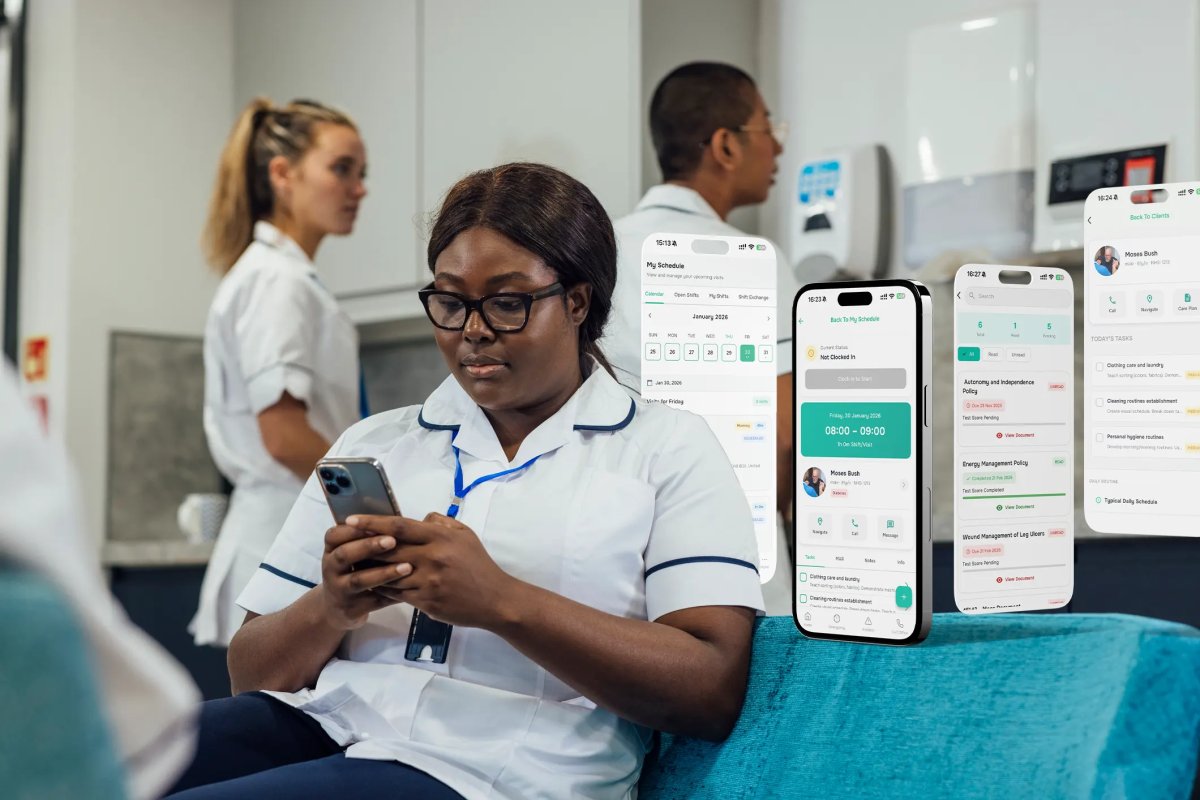


What if the secret to a top-tier inspection isn’t found in your filing cabinet, but in the lived experiences of your clients? With the regulator aiming to complete 9,000 assessments by September 2026 using a refined KLOE-based approach, many managers feel a familiar sense of anxiety about how to achieve an outstanding CQC rating. We know that you’re likely balancing staff burnout with the pressure to evidence proactive care, all whilst trying to make sense of the 24 new quality benchmarks. It is a lot to carry, but you don’t have to navigate these changes alone.
At Care Daily, our customers tell us that the transition back to sector-specific frameworks has created a need for clearer, more tangible evidence of impact. This guide provides a practical roadmap to help you bridge the gap between "Good" and "Outstanding" by focusing on digital audit trails and person-centred innovation. We will explore how to use real-time data to prove your impact, ensure your documentation reflects the quality of your care, and build a culture where excellence becomes a daily habit rather than a pre-inspection scramble.
Key Takeaways
- Understand why the shift from point-in-time inspections to continuous monitoring means your evidence must be updated in real-time to reflect current service quality.
- Learn how to embed leadership as the “golden thread” of your organisation by involving clients and carers in the co-production of tailored care plans.
- Discover how to achieve an outstanding CQC rating by building a living evidence file that maps directly to the regulator’s 24 new Key Lines of Enquiry.
- Explore the role of digital care management tools in creating an unbreakable audit trail that identifies risks like medication errors before they impact service user safety.
Decoding the CQC Single Assessment Framework for 2026
Understanding how to achieve an outstanding CQC rating in 2026 requires a shift in mindset from preparing for a single inspection date to embracing continuous monitoring. The Care Quality Commission (CQC) now looks for evidence that is "exceptional and distinctive" rather than just compliant. Instead of a point-in-time visit, the regulator assesses your service through ongoing data collection and specific evidence categories that highlight the lived experience of your service users. It’s a high bar. You’re no longer just proving you have policies in place; you’re demonstrating that those policies actively improve lives every single day.
The Scoring Thresholds for Excellence
The regulator uses a four-point scale to judge quality statements within the framework. A score of 1 indicates significant gaps, whilst a score of 4 represents an outstanding level of care where the service is performing significantly above the national standard. To reach this level, you must demonstrate that your practice is deeply embedded, innovative, and has a measurable impact on client outcomes. Inspectors aggregate these scores to reach an overall rating for each of the five key questions. An Outstanding rating typically requires a service to achieve this score in at least two of the five key questions whilst maintaining a high aggregate across the remaining areas.
Moving Beyond Compliance to Innovation
Whilst a "Good" rating shows you meet all required standards, an Outstanding service proactively seeks to exceed them through creative problem-solving. At Care Daily, we find that moving from reactive to proactive care is the clearest path to excellence, particularly within the "Well-led" and "Safe" domains. These areas are often the most heavily weighted by inspectors because they dictate the safety and culture of the entire organisation. If your leadership team isn’t driving innovation, it’s difficult to prove your service is distinctive.
A practical example of this in action is a domiciliary care agency using digital care planning to predict and prevent incidents. Instead of simply recording a fall after it happens, an outstanding provider uses real-time data to spot trends, such as declining hydration or changes in mobility. By intervening early, the agency provides concrete "evidence of impact" that the regulator looks for. This move from basic record-keeping to data-driven prevention is exactly what separates the "Good" from the "Outstanding" in the current regulatory landscape.
Leading with a Culture of Continuous Improvement
Leadership acts as the golden thread that binds an Outstanding service together. It isn’t just about the registered manager’s expertise; it’s about a shared vision that reaches every carer on the front line. When considering how to achieve an outstanding CQC rating, you must look beyond your policies to the underlying culture of your organisation. A truly exceptional service fosters a "no-blame" environment where incidents and accidents are viewed as opportunities for collective learning rather than reasons for reprimand. This psychological safety empowers your team to report concerns or suggest improvements immediately. It ensures that risks are mitigated before they escalate into systemic failures.
Empowering Carers and Staff Engagement
Meaningful engagement starts with moving away from tick-box supervision sessions. At Care Daily, our customers tell us that the most successful managers use these meetings to actively listen to staff insights and encourage professional growth. This approach directly impacts staff retention, which remains a critical metric for the regulator. High turnover often leads to fragmented care, whilst a stable, familiar team ensures the consistency required for excellence. By using internal staff surveys, you can identify potential issues before an inspector does. This proactive stance demonstrates that you aren’t just maintaining standards; you’re actively seeking to raise them.
Person-Centred Care as a Default Setting
A "one-size-fits-all" approach to care planning is a guaranteed way to stall at a "Good" rating. To reach Outstanding, you must prove that care is co-produced with the people who use the service. This means capturing the "voice of the client" in every interaction and ensuring their personal preferences dictate the rhythm of their day. Under the CQC’s single assessment framework, inspectors look for evidence that individuals have maximum choice and control over their lives. Implementing digital care planning helps your team record these nuances in real-time. It ensures that a client’s favourite morning routine or specific cultural requirements are never overlooked. If you’re ready to move beyond compliance and build a culture of excellence, focusing on these tailored details is the most effective place to start.
Practical Steps to Evidence Excellence and Impact
Evidence acts as the bridge between doing great work and being recognised for it by the regulator. When managers ask how to achieve an outstanding CQC rating, the answer often lies in the strength of their triangulation. This process involves ensuring that your documented policies, your team’s daily actions, and the feedback from your clients all align perfectly. You need a living evidence file that evolves alongside your service; it should map directly to the quality statements and provide a clear narrative of how you identify and mitigate risks before they impact safety.
Focusing on the "Safe" domain is often the best starting point for evidencing excellence. Outstanding providers don’t just record medication administration; they use an eMAR system to analyse patterns and prevent errors. By showing the regulator that you’ve identified a trend, such as a specific carer needing more support with topical creams, and then acted upon it, you prove a proactive approach to safety. This level of self-awareness is exactly what inspectors look for when moving a service from "Good" to "Outstanding."
Conducting Internal Audits and Mock Assessments
Effective monthly audits should mirror the regulator’s current methodology by focusing on high-risk areas. Your checklist must include deep dives into safeguarding logs, incident reports, and medication records to ensure nothing has slipped through the cracks. We recommend using a "Learning from Events" framework where every minor slip-up is documented alongside the specific changes made to prevent a recurrence. When you present these findings to an inspector, it demonstrates a service that is honest, self-reflective, and committed to continuous improvement.
Gathering and Acting on Feedback
Collecting "Outstanding" evidence requires looking beyond your own team. Reach out to external professionals like GPs and social workers to secure testimonials that highlight your collaborative approach. To make this feedback truly impactful, use a "You Said, We Did" framework. If a family member suggests that communication could be quicker, show the regulator how you implemented a digital portal to provide real-time updates. This proves that you don’t just listen to feedback; you use it as a catalyst for tangible change. If you’re ready to start building this level of transparency into your service, you can get started with our compliance tools today.
Leveraging Digital Tools to Maintain Outstanding Standards
Digital tools act as the primary evidence engine for any modern care service. Whilst paper records were once the industry standard, they are now a significant risk factor for managers aiming for excellence. Paper systems are inherently fragile; they rely on memory, manual filing, and are prone to gaps that are difficult to spot until it’s too late. When considering how to achieve an outstanding CQC rating, you must move toward digital systems that create an "unbreakable" audit trail. This provides the regulator with absolute confidence in your data integrity and shows that your oversight is both granular and immediate.
At Care Daily, we find that the most successful services use technology to shift from reactive monitoring to proactive prevention. Real-time alerts for missed visits or late medication entries allow you to intervene before a minor delay becomes a safeguarding incident. This level of responsiveness is a hallmark of an Outstanding service. It proves to the regulator that you have total control over your operations and that your leadership team is focused on safety at all times.
Real-Time Monitoring and Proactive Compliance
Inspectors often look for specific evidence within the "Safe" domain, and an eMAR system is one of the most effective ways to provide this. It removes the ambiguity of handwritten MAR charts and provides clear, timestamped records of every administration. Digital dashboards further support this by allowing you to spot trends instantly. For example, if you notice a slight increase in falls within a particular domiciliary care patch, you can investigate the cause and update care plans immediately. Ensuring that your CQC compliant care policies and procedures are accessible to staff via mobile devices means your team always has the latest guidance, regardless of where they are working.
The Role of Professional Policy Management
Outstanding services rarely rely on generic, unedited policy templates. The regulator expects to see that your governance is tailored to your specific service and the individuals you support. Utilizing a library of home care domiciliary care policies and operational documents that are updated automatically ensures you never fall behind legislative changes. You should then customise these digital policies to reflect your unique local context and the "voice" of your clients. Digital transformation is no longer a luxury; it is a prerequisite for excellence in 2026. Embracing these tools is the most reliable way to secure your future and understand how to achieve an outstanding CQC rating in a data-driven regulatory environment.
Securing Your Service’s Future
Achieving an Outstanding rating is no longer about a one-off performance for an inspector. It’s about building a sustainable culture where every action is recorded and every client voice is heard. By mastering the 2026 framework’s emphasis on continuous monitoring and person-centred innovation, you’ve already taken the first step toward excellence. Your data tells your story. We’ve seen that the most successful providers are those who replace fragmented paper trails with robust, real-time evidence.
This guide has outlined the strategic steps for how to achieve an outstanding CQC rating, but the real work happens in the daily habits of your team. At Care Daily, we support top-rated UK providers with an integrated platform that includes eMAR and digital care planning for robust audit trails. Our library of 500+ professionally written, compliant policy templates ensures you’re always working to the latest standards. You have the expertise to lead your service to the top; we’re simply here to provide the tools that make that journey smoother.
Book a demo with Care Daily to see how our platform helps you evidence an Outstanding service .
Frequently Asked Questions
What is the main difference between a ‘Good’ and ‘Outstanding’ CQC rating?
Outstanding care is defined by the regulator as being "exceptional and distinctive." Whilst a "Good" rating confirms you are meeting all legal requirements and providing safe care, an Outstanding service consistently exceeds these benchmarks. It shows a deep-rooted culture of excellence where the service is shaped by the people who use it. This often involves demonstrating innovative practices that have a measurable, positive impact on the lives of your clients.
How often does the CQC inspect services rated as Outstanding?
The regulator has moved away from fixed inspection intervals toward a model of continuous monitoring. For services already rated as Outstanding, this means your data is reviewed regularly to ensure standards haven’t slipped. If your digital evidence remains strong and no risks are identified through third-party feedback, a physical on-site inspection may be less frequent. However, the regulator can trigger a visit at any time if their monitoring tools suggest a change in quality.
Can a service be rated Outstanding if it uses paper-based records?
It is technically possible but increasingly rare for paper-based services to achieve the highest rating. When exploring how to achieve an outstanding CQC rating, managers find that paper records often lack the real-time trend analysis and "unbreakable" audit trails that inspectors now expect. Digital systems allow you to prove that your oversight is proactive rather than reactive, which is a key requirement for scoring the highest marks in many quality statements.
What are the ‘limiters’ that can stop a service from achieving an Outstanding rating?
Certain "limiters" or rules can prevent a service from reaching the top tier regardless of other strengths. For instance, if either the "Safe" or "Well-led" domains are rated as "Requires Improvement," your overall rating cannot be Outstanding. Serious regulatory breaches, such as failing to notify the regulator of significant incidents or having an inactive registered manager, will also act as a ceiling on your potential score during an assessment.
How do I evidence ‘innovation’ to a CQC inspector?
Evidence of innovation should focus on the specific problem you solved and the resulting impact on your clients. You might show how you’ve used technology to reduce medication errors or how you’ve co-produced a new activity programme with service users to combat loneliness. The inspector wants to see that you’ve identified a specific need and implemented a creative, effective solution that has improved the lived experience of those in your care.
Does an Outstanding rating lead to higher local authority fee rates?
An Outstanding rating does not guarantee higher fee rates from every local authority, though some do offer quality-related premiums to top-tier providers. The primary financial benefit often comes from increased demand and higher occupancy rates. Families and private funders are frequently willing to pay more for the peace of mind that comes with a top-rated service. This reputation for excellence makes your organisation a preferred provider within the local care landscape.