
What if the Well-Led domain wasn’t a source of inspection anxiety, but the clearest evidence of your home’s success? We understand that many registered managers feel they are drowning in paper-based checklists, whilst finding it difficult to track action plans across a busy team. It’s exhausting to feel that your hard work is buried in a ring binder rather than reflected in your rating. At Care Daily, our customers tell us that implementing care home audit management software finally gives them the breathing space to focus on what matters most: the people in their care.
You can transform your quality monitoring from a simple box-ticking exercise into a powerful engine for continuous improvement and regulatory excellence. This guide explores how to build a streamlined, paperless audit trail that provides real-time visibility of compliance gaps. We’ll show you how to use evidence-based improvements to secure the ratings your team deserves, moving your service from reactive fixes to proactive, high-quality care.
Key Takeaways
- Understand how digital hubs shift your quality assurance from reactive snapshots to a continuous, proactive monitoring process.
- Identify the essential features of care home audit management software, including mobile-first evidence capture and automated action plans that assign tasks instantly.
- Learn how to close the compliance loop by linking audit failures directly to policy reviews and targeted staff re-training.
- Follow a practical roadmap to digitise your strategy, starting with a thorough review of your existing audits to remove redundant documentation.
- Discover why selecting a partner with specific care sector expertise is more effective than simply purchasing a generic software tool.
Beyond the Clipboard: The Evolution of Care Home Audit Management Software
Effective care home audit management software is much more than a digital version of a paper checklist; it acts as a centralised hub for your entire quality monitoring and governance structure. This technology takes the foundational principles of the clinical audit process and transforms them into a live, breathing system. Instead of simply recording what happened in the past, these platforms allow you to spot risks before they escalate into safety concerns. We are seeing a fundamental shift in the sector from reactive “snapshot” auditing to a model of proactive, continuous quality assurance.
By mid-2026, the regulator is targeting the completion of 9,000 assessments, placing immense pressure on providers to have their evidence ready at a moment’s notice. Whether you are overseen by the CQC, Ofsted, or CIW, the expectation is now clear: you must provide real-time, digital evidence of your oversight. At Care Daily, our customers tell us that having this data at their fingertips removes the frantic “inspection prep” period, replacing it with a quiet confidence that their service is always ready for scrutiny.
Why Traditional Auditing Is No Longer Fit for Purpose
Managing a live care environment whilst relying on paper ring-binders and disconnected spreadsheets is inherently risky. When data is fragmented, it’s almost impossible to identify recurring failures or subtle trends, such as a specific pattern of medication errors or a decline in nutrition scores across one unit. Paper systems also carry a heavy time-cost; we often see managers spending hours on manual data entry and report writing, which keeps them in the office rather than on the floor supporting their team and service users. Lost evidence isn’t just a nuisance; it’s a compliance failure that can lead to a lower rating during an unannounced inspection.
The Digital Advantage: Real-Time Governance
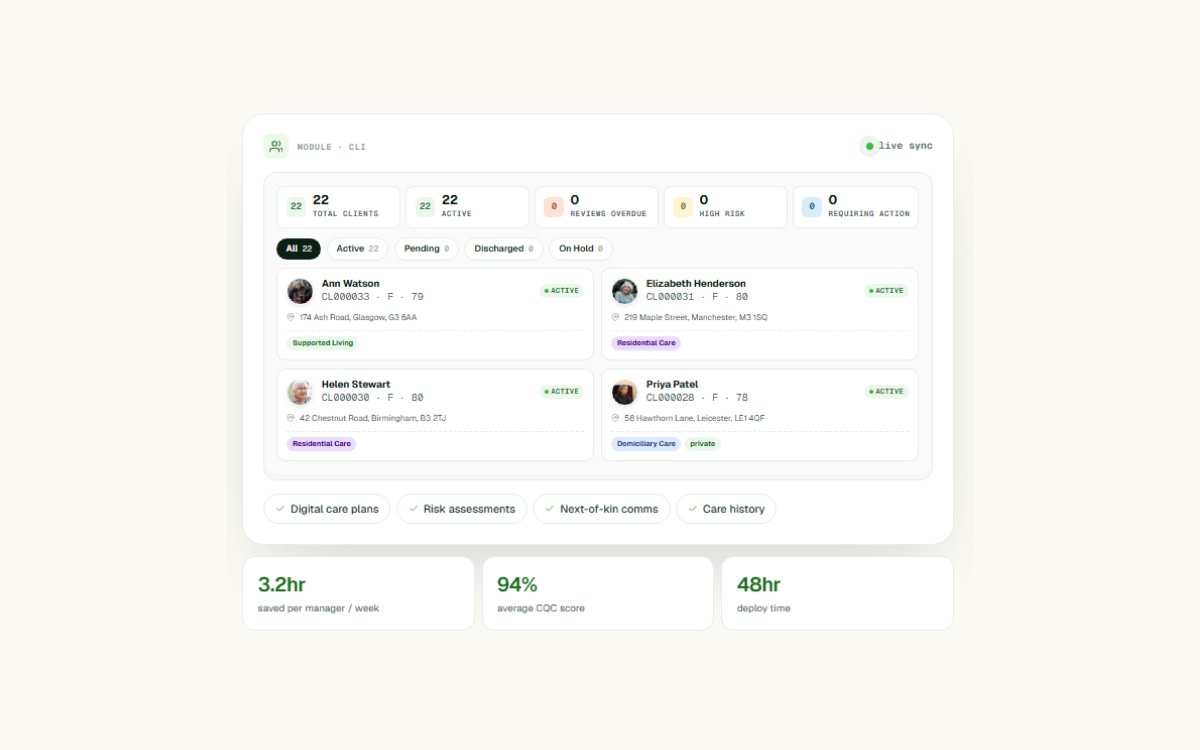
Digital dashboards provide a “helicopter view” that allows senior managers and owners to monitor multiple sites or departments simultaneously. You can see exactly which audits are overdue and which actions remain outstanding without having to pick up the phone or travel between locations. Timestamped evidence and digital signatures prove to the regulator that your monitoring is authentic and responsive to the needs of your clients. Digital auditing provides the transparent oversight and evidence-based leadership required to satisfy the regulator’s Well-Led domain requirements. This level of Care Quality Compliance ensures that your governance is robust, visible, and, most importantly, effective in keeping people safe.
The Anatomy of an Outstanding Audit: Essential Software Features
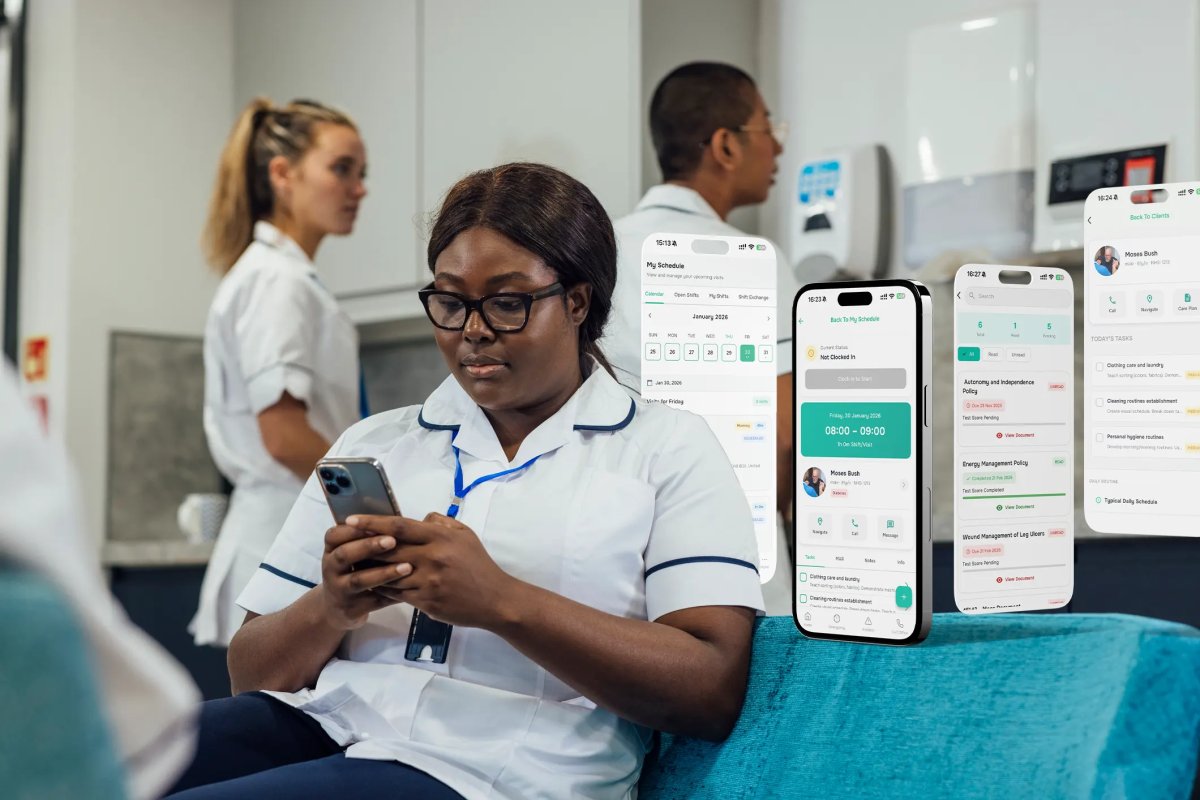
High-quality care home audit management software is not measured by the sheer volume of questions it asks. It’s measured by the quality of the insights it provides. To move beyond a tick-box culture, your tools must be as mobile and flexible as your team. Carers and managers shouldn’t have to wait until they are back at a desk to record findings; they need to capture evidence at the point of care. Whether it’s a photo of a well-presented meal or an audio note regarding a service user’s feedback, media evidence adds a layer of authenticity that text alone cannot match. At Care Daily, we find that this level of detail provides immediate comfort to managers who need to verify standards without being in the room.
Reliability is also a practical concern. Many care settings are housed in older buildings with thick walls where Wi-Fi signals frequently drop out. Effective software must include robust offline functionality, ensuring that an audit can continue uninterrupted in every corner of the home. Once the device reconnects, the data should sync automatically, preserving the integrity of your audit trail. This flexibility allows your care home audit management software to adapt to different environments, whether you are managing residential care, a children’s home, or a complex domiciliary care service.
Smart Action Plans and Task Management
A fail in an audit shouldn’t just be a red mark on a report. It should be the start of a closed-loop system. When a gap is identified, the software should instantly assign an automated action plan to the right staff member. This creates clear accountability. By setting due dates and tracking progress, you ensure that compliance isn’t just checked but actively maintained. We’ve seen how Care Daily’s task management ensures nothing falls through the cracks, allowing you to verify that a fix is complete before the next inspection cycle begins.
Auditing for Person-Centred Outcomes
We must also look beyond environmental checks. Whilst it’s vital to know if the kitchen is clean, it’s equally important to audit the emotional environment of the home. Are service users engaged? Is their autonomy respected? By using customisable templates that include family and staff surveys, you can gather qualitative data that speaks directly to the Caring and Responsive domains. The Care Quality Commission (CQC) places significant weight on these person-centred outcomes. Having the digital evidence to prove you are listening to your residents is invaluable. If you’re ready to see how these features can support your specific service, you can explore our compliance tools to find a solution that fits your home’s unique needs.
Closing the Loop: Linking Audits to Policies and Procedures
Identifying a compliance gap is only the first step in maintaining a safe environment. Without a robust policy library to guide your response, an audit becomes a list of problems without solutions. We believe that identifying a failure should be the catalyst for meaningful growth rather than a source of stress. By linking your care home audit management software directly to your operational documents, you ensure that staff aren’t just told they are wrong; they are shown exactly how to get it right.
Version control is critical in a fast-moving regulatory environment. Using outdated policies during an audit creates a false sense of security that can be dangerous for service users and damaging during inspections. The National Audit Office report on Digital transformation in the NHS highlights that integrated systems are essential for maintaining modern safety standards. Managers save hours of administrative work by linking failures directly to our library of 500+ care policies, allowing for immediate remedial action and staff re-training.
Evidence-Based Policy Updates
Recurring audit failures often indicate that a policy is either unclear or not being followed due to cultural factors within the home. We view the audit as the diagnostic tool and the policy as the treatment. A digital audit trail allows you to demonstrate to regulators that you don’t just find mistakes; you use them to drive continuous improvement. This evidence of “closing the loop” is exactly what inspectors look for when assessing the effectiveness of your governance.
Regulatory Alignment: CQC, Ofsted, and CIW
In 2026, regulators have shifted their focus toward evidence-based outcomes across all health and social care settings. Your audit questions must map directly to the latest frameworks to remain relevant and useful. Utilising CQC Compliant Care Policies and Procedures ensures your standards align with the regulator’s expectations. Mock inspections are a vital part of this process, helping you catch potential issues before an official visit. Ready to close the compliance loop in your service? Get started with our integrated audit and policy platform today.
Implementing Your Digital Audit Strategy: A Roadmap for Care Managers
Transitioning to a digital system is a significant milestone for any care setting. It’s not just about installing new care home audit management software; it’s about changing the culture of your home to value continuous improvement over simple compliance. To ensure a smooth transition, we recommend following a structured roadmap that respects the time and expertise of your frontline team.
- Step 1: Audit your current audits. Review your existing checklists and identify what is truly useful and what is “dead wood.” If a question doesn’t lead to an improvement in care or safety, it’s likely just adding to the paperwork burden.
- Step 2: Choose a partner, not just a provider. Look for software built by people who understand the UK care landscape. You need a platform that reflects the reality of a busy shift, not just a generic data entry tool.
- Step 3: Use a phased roll-out. Don’t try to digitise everything on day one. Start with a single, high-impact audit, such as a health and safety walkaround, to build staff confidence.
- Step 4: Engage Compliance Champions. Identify staff members who are comfortable with technology and empower them to lead. Peer-to-peer support is far more effective than top-down mandates.
- Step 5: Review and refine. Use your new analytics to adjust audit frequency. If a site or department is consistently performing at a high level, you might reduce their audit frequency to focus resources where they are needed most.
Overcoming Staff Resistance to Digital Tools
Change can feel daunting for a busy team already stretched thin. At Care Daily, we find that the best way to gain buy-in is to focus on the “time back” for carers. Digital tools significantly reduce the end-of-shift paperwork burden, allowing staff to spend more meaningful time with service users. We prioritise intuitive interfaces that don’t require a degree in IT to navigate. Our customers tell us that Care Daily’s onboarding process is essential for calming these initial anxieties, providing the steady guidance teams need to feel confident from their very first login.
Measuring Success: KPIs for Your Audit Software
Once your care home audit management software is live, you need to track its impact beyond just “finishing the audits.” A primary metric for success is the steady reduction in overdue actions; this proves your “closed-loop” system is working. You should also monitor the correlation between audit frequency and your internal quality scores. Ultimately, the most important KPI is the improved quality of life and safety for your service users. When your governance is robust and visible, you create a stable, secure environment where both staff and clients can thrive.
Securing Your Home’s Future Through Digital Excellence
Quality assurance is no longer a periodic task to be feared; it’s a continuous journey that defines the safety and happiness of your residents. By moving away from fragmented paper systems and embracing a policy-driven digital approach, you empower your team to act with confidence. We’ve seen how clear, real-time data transforms the Well-Led domain from a challenge into a showcase of your leadership. You deserve a system that works as hard as your staff do every day.
Investing in the right care home audit management software ensures your governance is robust, transparent, and always inspection-ready. At Care Daily, we are proud to be trusted by 500+ UK care providers who use our platform to maintain excellence. With our integrated library of 2,000+ CQC-aligned policies and a UK-based expert support team, we help you bridge the gap between clinical competence and genuine human warmth.
Take the first step toward a more streamlined and supportive care environment. Book a demo with Care Daily to see our audit and policy platform in action and discover how we can support your journey toward regulatory excellence. You already have the expertise to lead; we simply provide the tools to help your service shine.
Frequently Asked Questions
What is the best care home audit management software for CQC compliance?
The best software is one that integrates real-time auditing with a live policy library. It should map directly to the regulator’s Single Assessment Framework and provide an automated action plan for any identified gaps. This ensures you aren’t just identifying errors but fixing them in line with current standards. By using a platform that links findings to training, you create a culture of continuous improvement rather than just passing an inspection.
Can I customise the audit templates to fit my specific care setting?
Yes, professional auditing tools allow you to tailor templates to suit residential care, children’s services, or supported living. You can adjust questions to reflect the specific needs of your service users and the unique layout of your home. This level of customisation prevents the “one-size-fits-all” approach that often leads to irrelevant data. It’s particularly useful when you need to audit specific clinical outcomes or domestic safety standards that are unique to your setting.
How does digital audit software help during a CQC or Ofsted inspection?
Digital software allows you to present a clean, timestamped audit trail at the touch of a button. Instead of searching through paper files, you can instantly show the regulator how you identified a risk, what action you took, and how you verified the improvement. This provides concrete evidence for the Well-Led domain by demonstrating proactive governance. It shows that you have full oversight of your service’s safety and quality at all times.
Is it possible to attach photos and documents as evidence in the audit?
Yes, modern care home audit management software allows you to upload media directly to specific audit points. You can take a photo of a repaired maintenance issue or record an audio clip of a service user’s feedback to add depth to your reports. This creates a more authentic and undeniable evidence base than a simple tick on a checklist. It also allows managers to verify standards remotely without needing to be on-site for every check.
How much does care home audit software typically cost in the UK?
Costs for auditing software in the UK vary based on the size of your service and the level of integration required. Most providers operate on a subscription model, which might be calculated per site or per service user. You should check with individual software partners to find a structure that fits your specific budget and operational needs. Many providers offer different tiers of service, ranging from basic audit tools to fully integrated care management suites.
Will digital auditing software work for domiciliary care agencies as well?
Absolutely, digital auditing is highly effective for domiciliary care settings where staff are working remotely. It allows managers to monitor quality and safety across multiple client homes without needing to be physically present for every check. Real-time syncing ensures that any concerns raised in the field are instantly visible to the office team for immediate follow-up. This is vital for maintaining service consistency whilst carers are visiting service users in their own homes.