

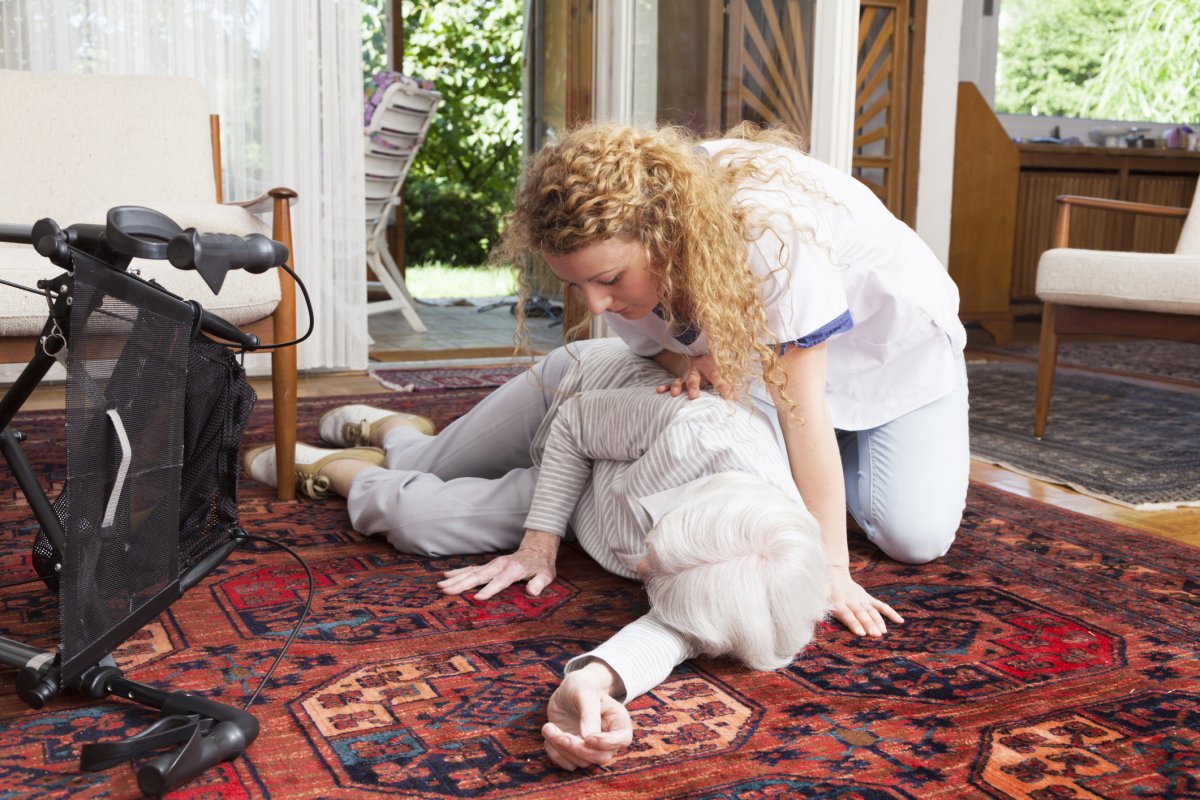
A 2025 report from the Office of Inspector General revealed that care homes failed to report 43% of falls resulting in major injuries. At Care Daily, our customers often tell us that the anxiety of a potential inspection after a resident fall is one of their greatest pressures. We understand that you are constantly trying to balance the fundamental right to resident autonomy with the clinical necessity of safety. It’s a delicate tightrope to walk, especially when a paper-based falls risk assessment tool for care homes often creates more administrative burden than actual protection.
We’ve designed this guide to help you implement a robust, person-centred approach that meets the 2026 regulatory standards whilst keeping your residents at the heart of every decision. You’ll discover how to move beyond static checklists to a dynamic, defensible assessment process that reduces avoidable incidents. We’ll examine the latest updates to reporting requirements, the benefits of interdisciplinary toolkits like “Safe Steps Forward,” and how digital workflows can provide the clear evidence of proactive risk management that the regulator requires.
Key Takeaways
- Align your practice with the 2026 CQC Single Assessment Framework by shifting from reactive reporting to proactive, evidence-based risk management.
- Learn how to implement a person-centred falls risk assessment tool for care homes that protects residents whilst respecting their fundamental right to autonomy.
- Identify critical physical and environmental triggers, from sensory impairments to lighting hazards, to create a truly comprehensive safety plan.
- Establish a defensible audit trail by conducting initial assessments within 24 hours of admission and maintaining a consistent monthly review cycle.
- Discover how digital care management platforms transform static risk files into dynamic data with automated alerts for high-risk triggers.
Understanding the Role of a Falls Risk Assessment Tool for Care Homes
A falls risk assessment tool for care homes isn’t just a tick-box exercise to be filed away. It’s a systematic process we use to identify specific hazards and implement preventative measures that actually work. By looking at a resident’s history, medication, and environment, we create a safety net that supports their independence rather than restricting it. This proactive approach ensures that we aren’t just reacting to accidents after they happen, but actively working to prevent them from occurring in the first place.
The Regulatory Impact: CQC and the Single Assessment Framework
Under the 2026 Single Assessment Framework, the regulator shifted its focus toward how providers use data to drive improvement. When inspectors look at the “Safe” and “Effective” quality statements, they’re searching for proactive management rather than reactive responses. They want to see “evidence of learning” after every incident or near-miss. This means your care home policies must be more than dusty folders; they need to reflect current NICE guidelines and show a clear path from risk identification to action. At Care Daily, our customers tell us that moving from a “blame culture” to a “learning culture” helps staff feel supported when reporting near-misses, which ultimately keeps residents safer.
Beyond the Score: Why Static Assessments Fail
A numerical score on a piece of paper doesn’t stop a resident from tripping, nor does it satisfy an inspector looking for person-centred care. For a comprehensive overview of falls in older adults, one must consider that risks are rarely static. A resident might be at low risk on Monday but high risk on Tuesday due to a simple urinary tract infection or a change in medication. “Form-filling fatigue” often leads to carers seeing these documents as administrative hurdles rather than helpful guides. We need a dynamic falls risk assessment tool for care homes that evolves alongside the resident. If the assessment doesn’t change when the person does, it’s failed in its primary purpose.
Key Components of an Evidence-Based Falls Risk Assessment
A robust falls risk assessment tool for care homes must look beyond obvious trip hazards. To be truly effective, we need to examine physical health factors such as gait, balance, and a resident’s specific history of previous incidents. Sensory impairments, particularly changes in depth perception or hearing, often play a silent but significant role in accidents. We also have to consider the environment itself. Lighting levels, flooring transitions, and even the height of furniture can either support a resident’s independence or create unnecessary danger. At Care Daily, our customers tell us that regular reviews of these environmental factors are just as vital as clinical checks.
Medication management is another critical pillar of risk reduction. Polypharmacy, the use of multiple medications concurrently, is common in care settings but significantly increases the risk of dizziness and loss of balance. When we combine these physical factors with cognitive challenges like dementia or delirium, the resident’s perception of risk changes. A person may no longer recognise that a floor is wet or that they need their walking frame. Recognising these nuances allows us to create a plan that is tailored to the individual’s reality rather than a generic set of rules.
The Multifactorial Approach: A Holistic View
A “one size fits all” checklist is insufficient for the complex needs we manage every day. We should instead focus on integrating input from GPs, physiotherapists, and occupational therapists to build a complete picture of a resident’s needs. The Multifactorial Risk Assessment (MFRA) is the industry standard for 2026. Frameworks such as the On-Time Falls Prevention program provide excellent structures for this interdisciplinary collaboration, ensuring that every member of the care team is working from the same evidence-based foundation.
Balancing Safety with Autonomy and Choice
We face a constant ethical challenge: how do we keep someone safe without stripping away their dignity? Positive risk-taking is a necessity in person-centred care. If a resident chooses to decline a preventative measure, such as using a sensor mat, we must respect that choice whilst documenting the conversation and the advice given. This approach aligns with the Mental Capacity Act and ensures we are not being overly restrictive. Using digital care planning makes it much easier to record these nuanced decisions, providing a clear audit trail that protects both the resident’s rights and your staff’s professional standing. If you’re ready to move away from restrictive paper files, you can explore our compliance tools to see how they support modern, flexible care management.
Implementing Your Falls Risk Assessment Tool: A Step-by-Step Guide
Moving from a static document to a live safety protocol requires a structured approach. A paper-based falls risk assessment tool for care homes often fails because it’s treated as a one-off event rather than a continuous cycle of care. To ensure your tool actually protects residents and satisfies the regulator, follow these five essential steps.
- Step 1: Initial Assessment. Conduct the first assessment within 24 hours of a resident’s admission to identify immediate needs and baseline mobility.
- Step 2: Regular Reviews. Establish a schedule for monthly reviews, or update the record immediately following any change in health or a fall incident.
- Step 3: Staff Training. Teach your team how to interpret results and spot subtle changes in a resident’s gait or behaviour, not just how to tick boxes.
- Step 4: Care Plan Integration. Ensure findings are woven into daily care plans and discussed during every staff handover to maintain awareness.
- Step 5: Quarterly Audits. Review your data every three months to identify environmental hazards, recurring trends, or specific times of day when falls peak.
Training Your Team for Consistency
We often see issues with inter-rater reliability, where two different carers might score the same resident differently based on personal perception. To combat this, we suggest practical workshops like “environmental walk-throughs” where staff work together to spot potential hazards in communal areas. At Care Daily, we find that staff engagement is significantly higher when we explain the “why” behind the data. When carers understand how an assessment prevents a specific injury, they’re more likely to complete it with clinical accuracy. You can use resources like the AHRQ Falls Prevention Self-Assessment Worksheet to evaluate your current team’s readiness and identify specific training gaps.
Post-Fall Protocols: Learning from Incidents
The moments following a fall are critical for both resident safety and regulatory compliance. Once a clinical check is complete and the resident is safe, your team should hold a “post-fall huddle” to gather immediate insights whilst the event is fresh. This isn’t about assigning blame; it’s about understanding the root cause. Was the lighting poor? Was the resident rushed? It’s also vital to check your eMAR system to see if recent medication changes or side effects like drowsiness contributed to the event. If you want to streamline this entire process and ensure your records are always inspection-ready, you can discover how our compliance platform organises your digital records.
Leveraging Digital Systems for Proactive Falls Management
Transitioning from paper folders to digital platforms transforms risk assessments from static, dusty files into “living” data that actively protects your residents. A digital falls risk assessment tool for care homes ensures that information is always accessible and up to date, rather than buried in a filing cabinet. When a carer records a change in a resident’s mobility, the system can trigger automated alerts for overdue reviews or high-risk triggers. This immediate feedback loop allows your team to intervene before an incident occurs, moving your practice from reactive to truly proactive.
Data visualisation is another powerful advantage of a digital-first approach. By looking at digital dashboards, managers can quickly spot “hotspots” or specific times of day when falls are most frequent. Perhaps incidents peak during shift handovers or in a particular communal lounge with poor lighting. Identifying these patterns allows you to allocate staff more effectively and address environmental issues with precision. At Care Daily, our integrated platform ensures that any update to a falls assessment automatically flows through to the resident’s care plan, keeping every team member informed in real time.
Creating a Defensible Audit Trail
Timestamped digital records provide the most robust defence during a regulator inspection or a safeguarding inquiry. They offer clear, irrefutable evidence that your team followed protocols and reviewed risks as required. Pulling “trend reports” for provider-level audits becomes a matter of clicks rather than hours of manual data entry. Our customers tell us that switching to these digital systems saves an average of 10 hours of administrative work per week, allowing managers to spend more time on the floor supporting their staff and residents.
Next Steps: Strengthening Your Compliance
We recommend that all registered managers take a moment to review their current falls policy against the latest 2026 regulatory standards. Ensuring your documentation reflects the shift toward the Single Assessment Framework is vital for maintaining a high rating. You can explore the Care Daily policy library to find updated templates that align with these modern requirements. If you’re ready to see how a digital falls risk assessment tool for care homes can transform your operations, we invite you to book a demo with the Care Daily team to see our tools in action.
Building a Safer Future for Your Residents
We believe that resident safety and personal freedom don’t have to be in conflict. By moving from static paper forms to a dynamic, digital-first workflow, you can ensure that your falls risk assessment tool for care homes provides genuine protection rather than just a tick-box record. We’ve seen how real-time updates and interdisciplinary collaboration transform the way teams manage risk, turning every incident into a meaningful opportunity for learning and improvement.
At Care Daily, we provide the framework you need to stay ahead of the regulator. Our platform includes a CQC-compliant policy library with over 500 templates and real-time digital care planning to keep your records accurate and defensible. With our dedicated UK-based support team, you’ll have the guidance required to implement these changes smoothly across your service. Book a personalised demo of Care Daily’s risk management tools to see how we can help you strengthen your compliance and protect those in your care.
You already have the expertise to provide outstanding care. We’re simply here to provide the tools that make that mission easier to achieve every single day.
Frequently Asked Questions
How often should a falls risk assessment be updated in a care home?
You should update a resident’s assessment upon admission, typically within the first 24 hours, and then on a scheduled monthly basis. It’s also vital to perform an immediate review if the resident experiences a fall, a near-miss, or any significant change in their physical or cognitive health. Regular updates ensure the care plan remains a live document that reflects the resident’s current needs rather than a snapshot of the past.
Is it a legal requirement to use a specific falls risk assessment tool?
There is no legal requirement to use one specific falls risk assessment tool for care homes, but the regulator expects you to use a validated, evidence-based framework. Whether you choose the Morse Fall Scale, the Berg Balance Scale, or a digital equivalent, the tool must be fit for purpose and consistently applied by your team. The focus during an inspection is on how effectively your chosen tool identifies risks and informs the resulting care interventions.
What is the difference between a FRAT and a multifactorial assessment?
A Falls Risk Assessment Tool (FRAT) is often used as a quick screening method to identify individuals at high risk based on a numerical score. In contrast, a multifactorial assessment is a deeper, interdisciplinary look at a resident’s unique risk factors, including their medical history, medication side effects, and vision. While a FRAT identifies that a resident is at risk, a multifactorial assessment helps you understand exactly why and how to prevent a fall.
Can a resident refuse a falls prevention measure if they have mental capacity?
A resident with the mental capacity to make the decision has the legal right to refuse any falls prevention measure, such as using a walking frame or a sensor mat. In these instances, you should document the conversation clearly, including the risks explained to the resident and their reasons for declining. This process of positive risk-taking respects the individual’s autonomy whilst providing a defensible audit trail that shows you have fulfilled your duty of care.
What are the most common environmental hazards in a care home setting?
Common environmental hazards include poor lighting in corridors, patterned carpets that cause visual confusion, and trailing cables or cluttered walkways. We also find that bathroom areas are high-risk zones due to wet floors or a lack of appropriately placed grab rails. Even seemingly minor issues, such as a bed being at the wrong height for a resident’s stature, can significantly increase the likelihood of a trip or stumble during daily activities.
How does the CQC assess falls management during an inspection?
The CQC assesses falls management by looking for evidence of proactive risk reduction under the “Safe” and “Effective” quality statements. Inspectors will review your records to see if a falls risk assessment tool for care homes is used consistently and if there’s clear evidence of learning following any incident. They’re less interested in the raw number of falls and more focused on how you’ve analysed those events to prevent future harm and improve resident safety.