
As Volunteering Week draws to a close, Neil Churchill, Director for Experience, Participation and Equalities at NHS England and NHS Improvement, reflects on the importance of volunteers for the future of the NHS.
As we come to the end of Volunteers Week, I wanted to share some more information about NHS Volunteer Responders, a major part of our support for people shielding or vulnerable to COVID-19, which has been delivered in partnership with Royal Voluntary Service and GoodSam. Three quarters of a million people applied to be an NHS Volunteer Responder within 48 hours of launch, greatly exceeding our target of 250,000. Nearly 600,000 people were accepted, once identity checks had been competed. Having so many volunteers whom we can match with tasks through a geo-tracking system allows us to complete over 98% of tasks, because there is always a volunteer nearby, often in the same street as the person needing assistance.
One significant feature of the NHS Volunteer Responder Programme is that it is about micro-volunteering – Responders are not asked to do a regular shift but to undertake single tasks such as shopping or collecting medicines for people who are shielding from the virus. This means that more people can fit volunteering around existing commitments, such as work or family life. People simply switch themselves on and off duty as necessary. Some people go on duty all day, others for an hour or two after work. As of 1 June, over 250,000 tasks had been completed and last week, 45% of volunteers who registered for active duty were offered a task. However, this figure varies around the country and within neighbourhoods. Many volunteers have noticed that demand for their services varies as they move across their home town or drive from one location to another. The reasons for this will vary but will include having higher numbers of people vulnerable to COVID-19 as well as local decisions to make greater use of NHS Volunteer Responders. Some communities have greater levels of spontaneous and voluntary sector support than others. NHS Volunteer Responders were designed to supplement local schemes. A pharmacy that has existing volunteers on three days of the week can use NHS Volunteer Responders on all the other days it is open or local support schemes can call on additional help as and when they need it. As a result, some places have drawn on the scheme more than others. So far NHS Volunteer Responders have been busiest in the North East, East Midlands and West Midlands in places like Middlesbrough, East Lindsey, Melton, Boston, Wolverhampton and Preston, although southern areas like Kensington and Chelsea, Plymouth, Eastbourne and Hastings have also been very active. In areas where there have been fewer tasks for Responders we have highlighted other volunteering opportunities.
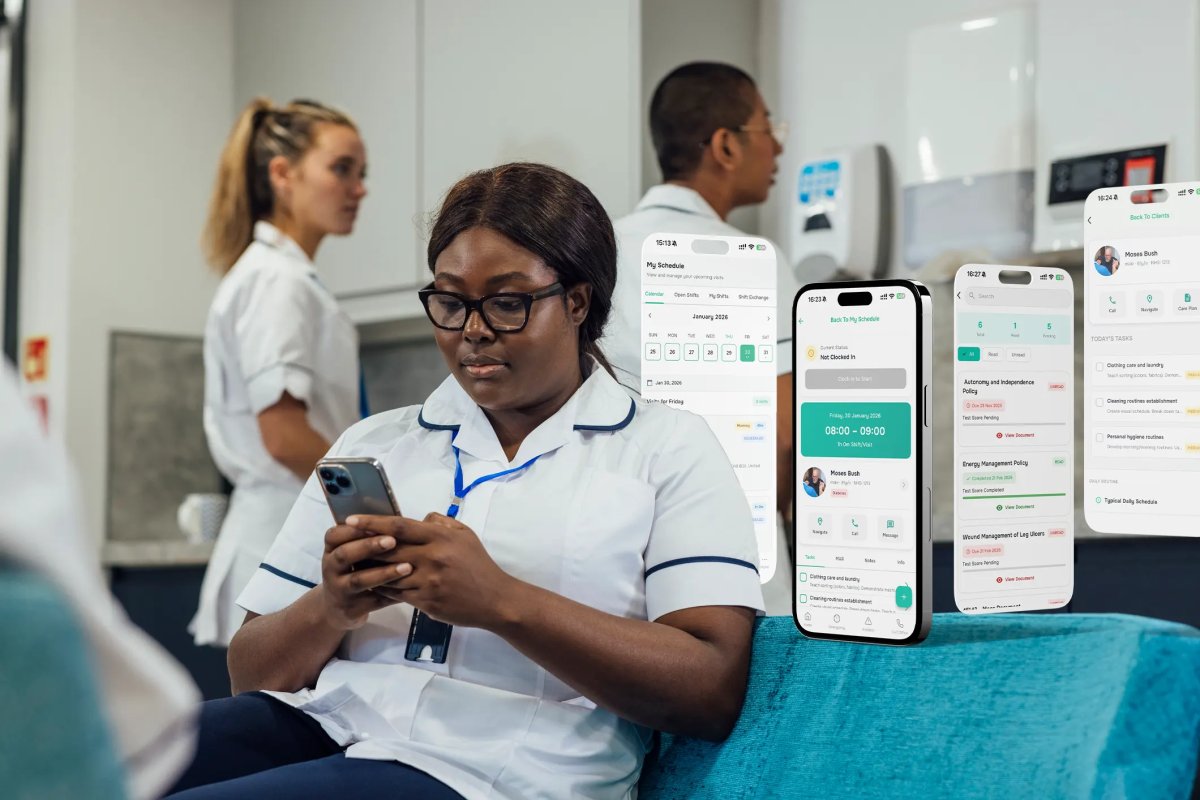
So far, three quarters of referrals into NHS Volunteer Responders have come from professionals like GPs, social prescribing link workers, pharmacists or council workers. In recent weeks, Local Authorities have become the biggest source of professional referrals, although social prescribing link workers have been exceptionally busy given their relative numbers. This suggests, as we hoped, that the programme is being integrated on the ground with local schemes. A quarter of requests are now coming from clients themselves, a route we introduced to make sure we were not missing anyone and to give people a more personalised service. We’ve also made changes to the scheme as it has developed, opening up to referrals from voluntary organisations and adding additional tasks, for example to support people with cognitive impairments as well as COVID-19 research trials. This has shown the potential of digital technology to expand the number of people volunteering and the range of things we can ask people to do.
Although lockdown is easing, the need for volunteers continues to be critical. People who are at high risk from COVID-19 still need to shield and have been advised not to go shopping or collect medicines. And many others continue to be vulnerable. NHS Volunteer Responders are, of course, just one part of the huge community response to COVID-19. Collectively, people have stepped forward to make sure that their families, friends and neighbours have been supported. Many of the people who volunteered for the first time have found the experience rewarding. Although the circumstances of this pandemic are unique, the needs we are encountering – loneliness, vulnerability, mental distress – are not. One of the positive legacies of this period must be that we find a way to engage more volunteers more regularly in support of greater health and wellbeing for all.