
What if your next CQC inspection wasn’t a source of anxiety, but a genuine opportunity to showcase the bespoke, person-centred care you provide every single day? You’ve likely spent years perfecting your approach under the old KLOE system, so it’s completely understandable if the transition to the Single Assessment Framework feels daunting. Since the CQC began rolling out this new model in November 2023, many providers have felt overwhelmed by the shift toward continuous evidence gathering and the 34 new Quality Statements. We understand that you want to focus on dignity and independence, not get lost in a mountain of digital documentation. Mastering the five cqc domains is the first step toward regaining your peace of mind.
This guide will help you navigate the new framework by providing a clear roadmap for evidencing high-quality care in 2026. We’ll simplify the updated requirements and show you how to build a portfolio of evidence that truly reflects your commitment to excellence. You’ll finish this article with the practical tools and quiet confidence needed to lead your team through your next assessment with ease. We’ve broken down the complexities into manageable steps, ensuring you can focus on what matters most: the well-being of those in your care.
Key Takeaways
-
Understand how the five cqc domains serve as the heart of the Single Assessment Framework, ensuring every individual receives safe and compassionate support.
-
Navigate the transition from the old KLOE system to the 34 new Quality Statements to align your service with the latest regulatory expectations for 2026.
-
Identify actionable steps to evidence compliance through robust digital audit trails that capture the genuine impact of your care in real-time.
-
Learn how to conduct a thorough gap analysis to strengthen your service and protect the dignity and independence of those you support.
-
Discover how integrated digital tools can simplify complex reporting, giving you the quiet confidence to focus on what matters most: the people in your care.
Table of Contents
-
What Are the 5 CQC Domains? An Overview of the Single Assessment Framework
-
Breaking Down the 5 Key Questions: Safe, Effective, Caring, Responsive, and Well-led
-
The Shift from KLOEs to Quality Statements: Navigating CQC Assessments
What Are the 5 CQC Domains? An Overview of the Single Assessment Framework
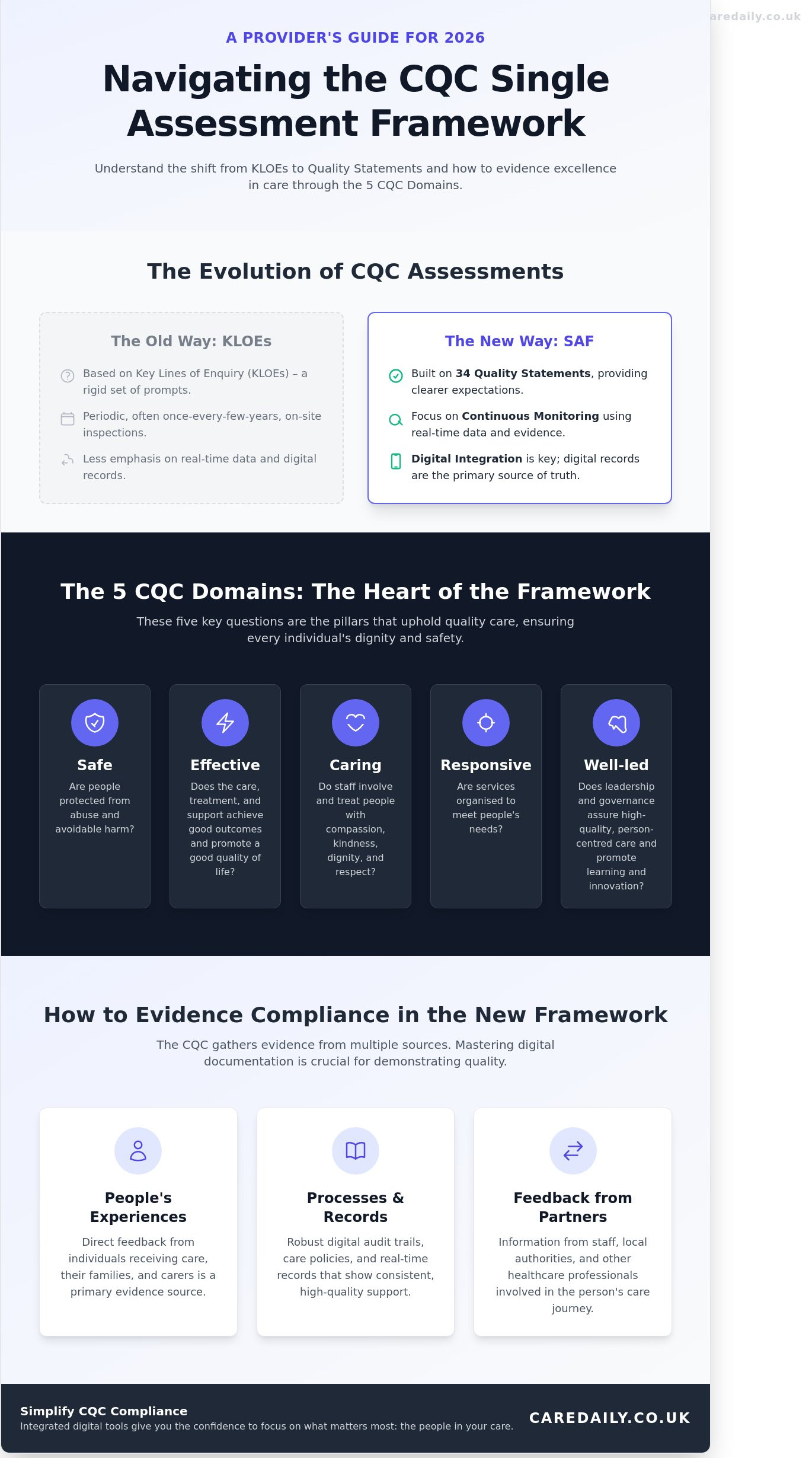
The 5 cqc domains represent the core standards of excellence for every health and social care provider in England. Established under the Health and Social Care Act 2008, these domains act as the fundamental "Key Questions" that the Care Quality Commission (CQC) asks of every service. They ensure that care is not just a transaction, but a safe, compassionate experience that preserves a person’s dignity and independence. By 2026, these domains have become the bedrock of the Single Assessment Framework (SAF), a system designed to provide a more dynamic and transparent view of care quality.
We understand that navigating these regulations can feel overwhelming for families and providers alike. These standards exist to create a gold standard across the UK, ensuring that whether a loved one is in a residential home or receiving bespoke support in their own sanctuary, their safety and quality of life remain the priority. The framework allows inspectors to move beyond simple checklists to see the real human impact of the care provided. It’s about ensuring every individual feels heard, valued, and protected.
The Five Key Questions: A Snapshot
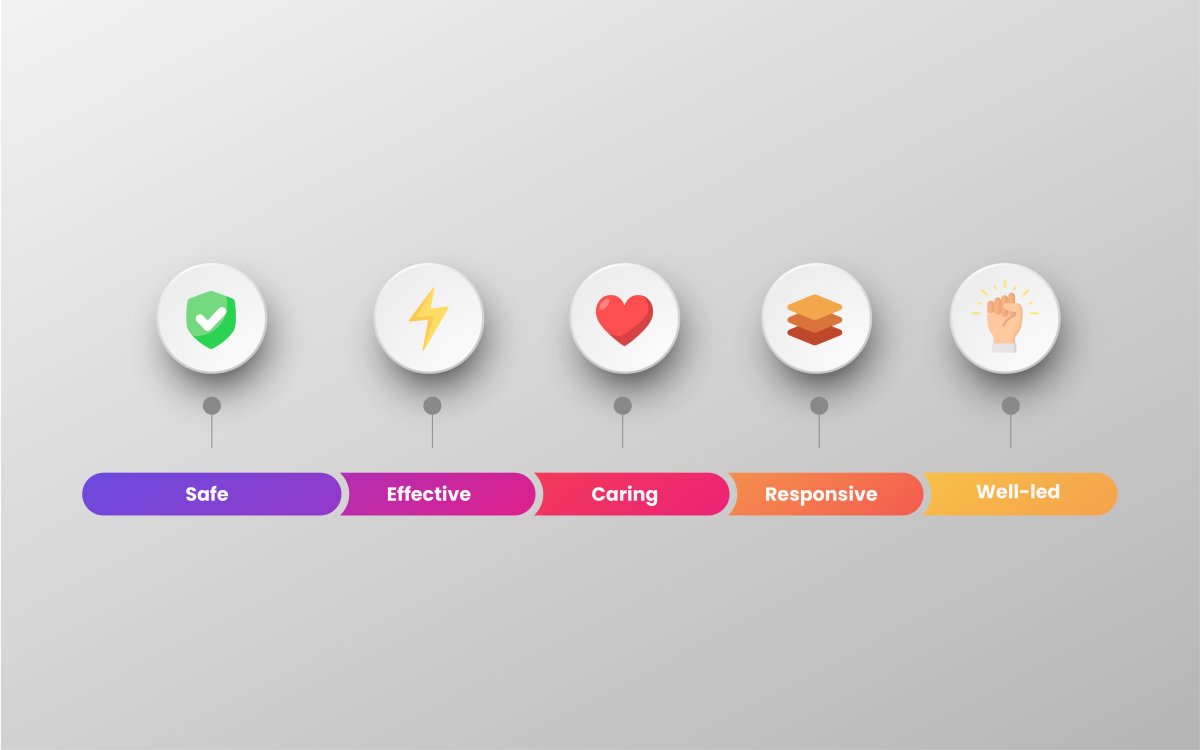
The five pillars of the cqc domains are Safe, Effective, Caring, Responsive, and Well-led. These questions apply universally across the sector, from large-scale nursing facilities to intimate home-based support. Each domain focuses on a specific aspect of the person’s journey. "Safe" ensures people are protected from avoidable harm, while "Caring" looks for genuine kindness and respect in daily interactions. To meet these high expectations, providers must maintain robust cqc compliant care policies and procedures. These documents aren’t just paperwork; they’re the practical instructions that empower dedicated professionals to deliver consistent, high-quality support every single day.
Why the CQC Assessment Model Changed in 2026
The shift in 2026 represents a move away from the traditional, once-every-three-years inspection cycle. The CQC now uses a model of continuous monitoring. This means they look at data and evidence in real-time rather than relying solely on a single site visit. The old "Key Lines of Enquiry" (KLOEs) have been replaced by "Quality Statements." These statements provide a clearer, more fluid way to measure performance through 36 specific evidence categories. Digital care records have now become the primary source of truth. Inspectors use this data to see a living history of care, ensuring that peace of mind for families is backed by hard evidence and transparent reporting.
-
Continuous Monitoring: Assessments happen more frequently based on incoming data.
-
Evidence-Based: Decisions rely on feedback from people using services and their families.
-
Digital Integration: Real-time records provide a clearer picture than paper logs ever could.
This modern approach ensures that care quality doesn’t dip between inspections. It creates a partnership between the regulator, the provider, and the family, all working toward the same goal of exceptional support.
Breaking Down the 5 Key Questions: Safe, Effective, Caring, Responsive, and Well-led
The five cqc domains aren’t just administrative categories; they’re the pillars that uphold the safety and dignity of every person in care. Since the full rollout of the Single Assessment Framework, the focus has shifted toward continuous monitoring. You’re no longer just preparing for a one-off inspection; you’re evidencing quality every single day. These five questions allow the CQC to look at your service from every angle, ensuring that clinical excellence meets human compassion.
Safe and Effective: The Clinical and Operational Core
Safety is the foundation of trust. We prove a service is safe by protecting people from abuse and avoidable harm. This involves robust risk assessments that aren’t just filed away, but active documents used to guide daily support. A primary focus for inspectors in 2026 is how medication management is handled. Proving safety requires 100% accuracy in MAR charts and clear protocols for PRN (as required) medicines.
Effectiveness ensures that the care provided actually leads to good outcomes. It’s about using evidence-based practice to promote a high quality of life. To demonstrate this, we look at:
-
Regular staff competency checks to ensure skills are up to date.
-
Nutritional and hydration monitoring that prevents health decline.
-
Collaboration with GPs and district nurses to provide joined-up support.
Caring and Responsive: The Human Element
The "Caring" domain evaluates the emotional heart of your service. It asks if staff treat people with kindness, compassion, and respect. In 2026, the CQC places heavy weight on "I statements" from service users. When a client says, "I feel heard," or "They always knock before entering," you’re evidencing the core of person centred care. It’s about maintaining dignity and independence even when complex needs arise.
Responsiveness is your ability to adapt. A service isn’t responsive if it uses a "one size fits all" approach. We demonstrate this by updating care plans immediately when a person’s preferences or health status changes. If you’re looking for a partner who understands these cqc domains deeply, you can view our local care options to see how we put these standards into practice.
Well-led: The Culture of Excellence
A well-led service starts with a transparent, open culture. This domain assesses whether leadership is visible and if staff feel safe to raise concerns without fear. In 2026, being well-led means having a clear strategy for improvement and using data to identify risks before they become incidents. It’s about showing that the manager isn’t just an administrator, but a compassionate guide for both staff and families.
The Shift from KLOEs to Quality Statements: Navigating CQC Assessments
The transition from Key Lines of Enquiry (KLOEs) to the new Quality Statements represents a fundamental change in how the CQC views excellence. While the five cqc domains remain the cornerstone of regulation, the focus has shifted toward a more fluid, continuous assessment process. You’ll find that the old KLOEs, which often felt like a rigid checklist, have been replaced by 34 Quality Statements. These "We statements" act as a bridge between legal requirements and the heart of your service. They aren’t just rules; they’re promises you make to the people you support every day.
The CQC also introduces "I statements" to this framework. These reflect the lived experience of your clients and their families. When a person says, "I feel safe and supported," it validates the "We statement" where you commit to providing a secure environment. This alignment ensures that your clinical competence is always balanced with genuine human warmth. It provides peace of mind to families, knowing that their loved one’s voice is the ultimate measure of success.
Understanding the 34 Quality Statements
These 34 statements are strategically spread across the five cqc domains to ensure no aspect of care is overlooked. For instance, the "Safe" domain now includes specific commitments like "Learning culture" and "Safe systems, pathways and transitions." It’s no longer enough to keep documents in a folder. You must demonstrate that these values are active within your team. These statements are directly linked to the 13 Fundamental Standards of Care. While the standards set the legal floor, the Quality Statements describe the ceiling of excellence we all strive for.
Mapping Your Evidence to Quality Statements
Proving your impact requires a structured approach. You’ll need to align your daily actions with the CQC’s six evidence categories, ranging from direct observations to feedback from partners. A vital part of this is ensuring your policies and procedures in health and social care are up to date and reflect these 2026 requirements. Your staff are your greatest advocates here. When your dedicated professionals understand why a specific procedure matters, they don’t just follow a rule; they deliver bespoke care that truly improves lives.
To help your team navigate this shift, consider these practical steps:
-
Hold regular workshops: Discuss one "We statement" each week to see how it applies to current clients.
-
Audit your records: Ensure your care plans use person-centred language that mirrors the "I statements."
-
Gather diverse feedback: Use surveys and informal chats to capture the lived experience of families and visiting professionals.
By focusing on these commitments, you move beyond mere compliance. You create a culture where dignity and independence are preserved at all costs, ensuring your service remains a sanctuary for those in your care.
How to Evidence Compliance Across All CQC Domains
Evidencing your commitment to high-quality care requires a structured approach that moves beyond simple paperwork. In 2026, the Care Quality Commission prioritises live data and lived experiences over historical records. You can demonstrate your performance across all cqc domains by following these five essential steps to ensure your service remains both compliant and compassionate.
-
Step 1: Conduct a comprehensive gap analysis using a cqc inspection checklist. This helps you identify where your current evidence falls short before an inspector arrives.
-
Step 2: Implement a robust digital audit trail. Capturing care delivery in real-time provides a transparent window into the daily lives of those you support.
-
Step 3: Regularly update and customise your domiciliary care policies and procedures. These documents must be bespoke to your specific service rather than generic templates.
-
Step 4: Actively engage service users and their families to gather qualitative "I statement" evidence. Direct feedback proves that your care is person-centred and respects individual dignity.
-
Step 5: Use internal mock inspections to test your readiness. These practice runs allow your team to practice articulating how they meet the standards in a low-pressure environment.
Digital Evidence Gathering in 2026
The transition to digital care management software UK has become a cornerstone of modern compliance. By 2026, paper-based systems often fail to meet the "Well-led" criteria because they lack immediate oversight. Digital platforms, including eMAR and electronic care plans, create a timestamped, unalterable record of care. This reduces the risk of missing evidence and gives you peace of mind that every dose of medication or personal care task is safely documented and easily retrievable during an inspection.
Involving Your Team in the Compliance Journey
Your staff are the heartbeat of your service. Training your team to document care with the 5 cqc domains in mind ensures that every daily note reflects the quality of support provided. Effective staff rostering is also vital for the "Safe" and "Responsive" domains. It proves you have the right people in place to maintain continuity of care. When you foster a culture of transparency, your companions feel empowered to report incidents immediately, which demonstrates a commitment to constant improvement.
If you need support in aligning your service with the latest standards, we are here to guide you. Contact CareDaily today to learn how our bespoke approach can help you achieve excellence.
Simplifying CQC Compliance with Care Daily’s Digital Tools
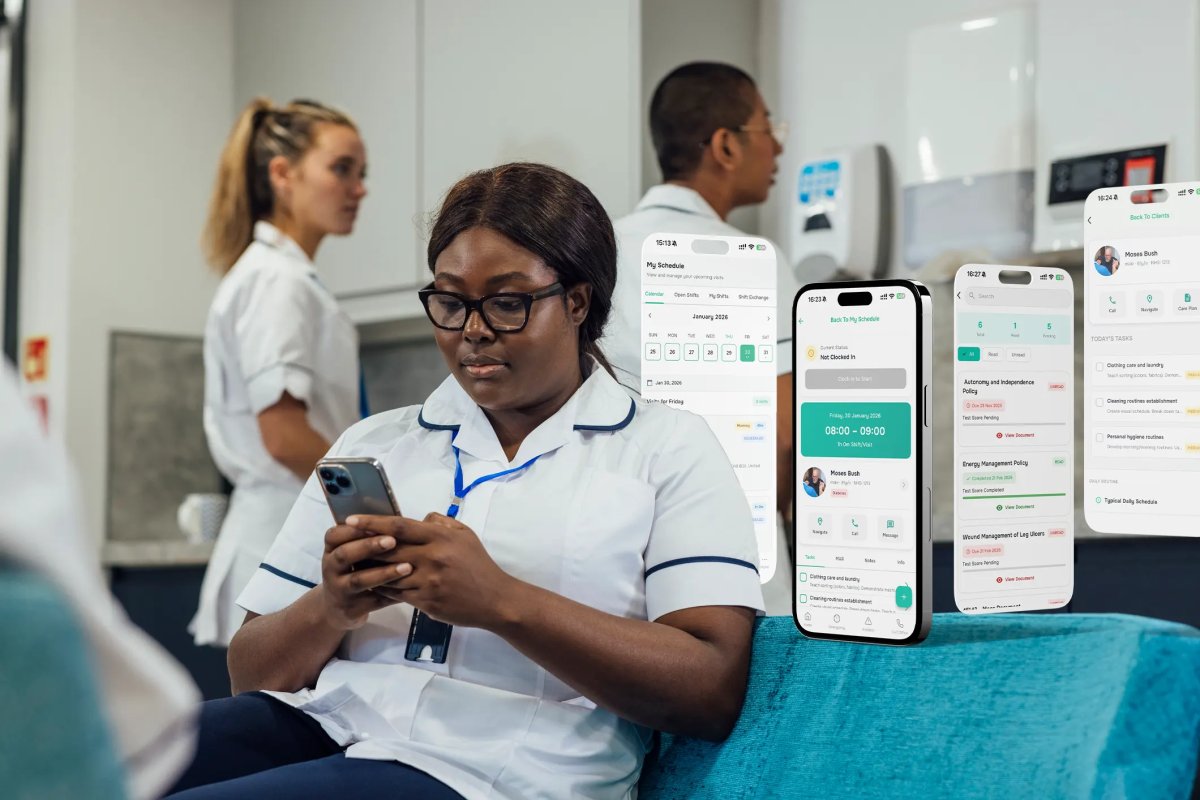
We understand that staying aligned with the cqc domains can feel like a constant uphill struggle for busy providers. Our digital platform removes the guesswork by automatically mapping every entry in our policy library to the five key domains and the 34 Quality Statements. This ensures your team isn’t just following rules; they’re living the standards that CQC inspectors expect to see in 2026. By integrating digital care planning, we provide real-time compliance monitoring that flags gaps before they become risks.
The administrative weight on managers is often the heaviest burden in any care setting. Our software reduces this pressure through automated reporting and robust audit trails. Instead of spending hours manually cross-referencing files, you can generate comprehensive evidence packs with a few clicks. This level of organisation ensures your agency is always inspection-ready, providing a clear, digital breadcrumb trail of the high-quality care you deliver every day.
-
Real-time updates: Our policies evolve alongside legislative changes, so you’re never caught out by outdated guidance.
-
Evidence mapping: Every daily note and care plan update contributes to your proof of compliance across all cqc domains.
-
Time savings: Managers using our automated tools report a 30% reduction in time spent on compliance-related paperwork.
A Bespoke Approach to Care Management
Generic, "off-the-shelf" policies often fail during inspections because they don’t reflect the unique heartbeat of your specific service. We provide tailored solutions for both domiciliary and residential care that ensure your documentation is as unique as your clients. This bespoke approach is vital for achieving "Good" or "Outstanding" ratings, as it demonstrates a deep understanding of individual needs. Our platform creates a "calm in the storm" environment for managers, replacing chaotic spreadsheets with a structured, reliable system that fosters true continuity of care.
Next Steps: Securing Your CQC Rating
You don’t have to face the complexities of the Single Assessment Framework alone. We invite you to explore our domiciliary care policies and procedures for sale to see how high-quality, professional documentation can transform your operations. Our team is ready to help you move beyond basic compliance toward excellence. Book a consultation with us to see how our software aligns with your specific goals. Compliance is a journey, and Care Daily is here to be your compassionate guide, providing the peace of mind you deserve.
Future-Proof Your Care Service for 2026 and Beyond
Mastering the 2026 regulatory landscape requires a clear focus on how your service translates daily care into measurable evidence. You’ve seen how the transition from KLOEs to Quality Statements demands a more proactive approach to the five cqc domains. It’s no longer enough to provide Safe or Effective care in isolation. You must now demonstrate these values consistently through every interaction and digital record to meet the Single Assessment Framework requirements.
We understand that staying compliant while prioritising the dignity and independence of those you support is a complex balancing act. You don’t have to navigate these evolving standards alone. Our platform provides over 2,000 professionally written care policies designed specifically for UK providers. By using our bespoke digital care planning tools, you can ensure your team remains focused on what truly matters: providing compassionate, person-centred care that changes lives. We’re here to help you turn compliance into a source of pride and lasting peace of mind for your agency.
Discover how Care Daily simplifies CQC compliance for your agency
Frequently Asked Questions
What are the 5 CQC domains?
The five cqc domains are Safe, Effective, Caring, Responsive, and Well-led. These categories form the essential framework the regulator uses to judge the quality of your home-based support. Each domain focuses on a vital part of the care journey, such as protecting people from harm or ensuring staff have the right skills. By assessing these areas, the CQC ensures that every service maintains the dignity and independence of your loved ones.
How have the CQC domains changed with the new Single Assessment Framework?
The five domains remain the same under the Single Assessment Framework, but the CQC now uses 34 Quality Statements to judge them. Instead of one-off inspections every 2 or 3 years, the regulator now collects evidence continuously to update ratings. This shift means providers must demonstrate their commitment to safety and compassion every single day. It’s a more dynamic approach that reflects the real-time quality of life and independence for those in care.
What is the difference between KLOEs and Quality Statements?
Quality Statements are "we statements" that replaced the older Key Lines of Enquiry (KLOEs) in 2024 to simplify how we understand care standards. There are 34 statements in total across the five cqc domains, acting as the new benchmarks for excellence. While KLOEs were often seen as a checklist for inspectors, Quality Statements focus on the commitments providers make to their clients. This shift ensures that personalised care plans remain at the heart of every assessment.
How does the CQC assess the "Well-led" domain in 2026?
The CQC assesses the "Well-led" domain by examining 8 specific quality statements focused on leadership, culture, and governance. They look for evidence that managers promote a "just culture" where staff feel safe to speak up and share ideas. In 2026, there’s a strong emphasis on how providers use data to improve continuity of care for their clients. Inspectors interview staff to ensure the leadership team genuinely prioritises the wellbeing of every individual.
Can digital care software help with CQC domain compliance?
Digital care software helps you maintain compliance by capturing real-time data that proves you’re meeting CQC standards. These systems track everything from medication records to bespoke care plans, making it easy to share evidence with inspectors instantly. Since the CQC now requests data remotely, having a digital audit trail is vital for a "Good" rating. It gives families peace of mind knowing that every interaction is recorded and every safety check is completed.
What evidence does the CQC look for in the "Safe" domain?
For the "Safe" domain, the CQC examines evidence across 8 quality statements, including safeguarding and medicines optimisation. They check that 100% of staff have undergone necessary DBS checks and that risk assessments are updated whenever a client’s needs change. Inspectors also look at how a provider learns from incidents to prevent future mistakes. This rigorous process ensures that your home remains a sanctuary where safety and compassion are always the top priorities.
How often does the CQC assess these domains?
The CQC now assesses domains on a rolling basis rather than following a fixed, multi-year inspection calendar. They might review specific quality statements every few months based on the data and feedback they receive from staff and families. If a service is rated "Inadequate," they’ll usually face a full review within a 6-month window. For "Good" or "Outstanding" providers, the regulator monitors performance through regular data submissions to ensure high standards never slip.
What are "I statements" in the CQC framework?
"I statements" are the foundations of the CQC’s person-centred approach, representing the direct voice and expectations of the person receiving care. They describe what good support feels like from the client’s perspective, such as "I am treated with dignity and respect." There are 34 of these statements that link directly to the professional quality standards. By focusing on these, we ensure that bespoke care plans truly reflect the unique hopes and needs of your family.