

Last Tuesday at 6:00 PM, a care manager in Manchester spent three hours squinting at a coffee-stained MAR chart, trying to decipher if a vital dose of anticoagulants was administered or simply left unsigned. You likely recognize that knot of anxiety; it’s the same pressure that led to 65% of care homes receiving ‘Requires Improvement’ ratings for safety in 2024 due to poor record-keeping. It’s exhausting to manage the safety of your residents when you’re fighting against illegible handwriting and manual errors that shouldn’t happen in 2026. You deserve a system that supports your clinical competence rather than hindering it.
We’ve created this guide to help you discover how to transition from risky paper records to a secure, CQC-compliant digital system that empowers your staff and protects your residents. By choosing the right medication management software, you can achieve zero missed doses and gain real-time visibility over every round. We’ll walk you through the essential features for the year ahead, including automatic audit trails and bespoke alerts that ensure your dedicated professionals can provide the highest quality of life for every individual in your care.
Key Takeaways
-
Discover how moving from paper MAR charts to real-time digital monitoring provides peace of mind and significantly reduces the risk of medication errors.
-
Learn to identify high-quality medication management software that features NHS dm+d integration and instant alerts to keep your residents safe and your records accurate.
-
Explore a stress-free transition strategy, including the use of "Digital Champions" and a phased rollout to support your staff through every step of the change.
-
Understand how to evaluate platforms for scalability, ensuring your chosen system can grow seamlessly alongside your care service as your needs evolve.
-
See why combining digital records with robust, CQC-compliant policies is the key to maintaining the highest standards of bespoke, person-centred care.
Table of Contents
-
What is Medication Management Software and Why is it Essential in 2026?
-
Evaluating Software: A Comparison Framework for UK Providers
-
Implementation: Moving from Paper to Digital Without the Stress
What is Medication Management Software and Why is it Essential in 2026?
Choosing the right path for a resident’s health requires more than just a keen eye; it requires a system that never sleeps. Medication management software provides a centralised digital platform that replaces traditional, manual records with real-time monitoring. This technology is built around the electronic Medication Administration Record (MAR), a tool that ensures every dose is accounted for. In the UK, a major study by the University of Manchester estimated that 237 million medication errors occur every year. We believe this number is far too high. By adopting a digital approach, care homes can prevent the small oversights that lead to serious health complications. It’s about moving from a reactive stance to a proactive one, ensuring every resident receives their bespoke care plan exactly as prescribed.
The shift to digital is not just a trend. It’s a fundamental change in how we protect the dignity and safety of those in our care. By 2026, the expectation for transparency has reached an all-time high. Families want to know their loved ones are safe, and staff need the tools to provide that assurance without being buried in paperwork. This software acts as a "calm in the storm," providing a clear, structured way to handle complex prescriptions and varying schedules with total confidence.
The End of the Paper MAR Chart Era
Paper charts are fragile and prone to human error. They suffer from illegible handwriting, coffee stains, and the constant risk of being misplaced or filed incorrectly. You might have experienced the "Friday Afternoon" panic, where a physical audit reveals a missing signature from three days ago. By then, it’s often too late to verify if the medication was given or simply forgotten. Physical records are static; they don’t alert you when a dose is missed.
Digital systems solve this through unalterable timestamps. When a dedicated professional logs an action, the software records the exact second it happened. This creates an honest, transparent record of care that protects both the resident and the staff. You no longer have to worry about lost sheets or "missing gaps" in a resident’s history. Instead, you have a permanent, searchable history that supports continuity of care across every shift. We see this as a vital step in preserving the independence of residents, as accurate medication leads to better overall health and mobility.
Regulatory Expectations: CQC and the Digital Social Care Record
The Care Quality Commission (CQC) has set clear expectations for the modern care environment. The Department of Health and Social Care previously set a target for 80% of CQC-registered providers to adopt a Digital Social Care Record (DSCR). As we navigate 2026, these digital systems are no longer optional extras. They are core requirements for the "Well-Led" and "Safe" domains. Medication management software allows you to provide instant evidence during KLOE (Key Lines of Enquiry) inspections, showing a commitment to high-quality, safe care.
Instead of handing an inspector a stack of dusty folders, you can show them a live dashboard. This level of data transparency is often the difference between a "Requires Improvement" rating and an "Outstanding" one. It shows that your home is managed with clinical competence and genuine human warmth. We find that when providers embrace this technology, they spend less time on administration and more time on what truly matters: the people they support. Transitioning from paper-heavy processes to digital clarity ensures your service remains compliant, efficient, and, above all, safe for every individual.
Core Features of High-Quality Medication Management Systems
We know that keeping your residents safe is your highest priority. Choosing the right medication management software acts as a digital safety net for your dedicated team. It replaces the anxiety of paper MAR charts with a system that watches over every dose. High-quality systems provide real-time alerts that go straight to management dashboards. If a dose is missed or late, a notification flashes up immediately. This allows you to intervene within minutes rather than discovering an error hours later during a shift change. These alerts provide the "calm in the storm" that managers need to maintain a safe environment.
Modern platforms now include AI-enabled error prediction. These tools analyse prescribing patterns to flag unusual doses before a carer even reaches for the trolley. It’s about being proactive rather than reactive. By tracking inventory levels automatically, the software links directly with your local pharmacy. This ensures you never run out of critical prescriptions, maintaining the continuity of care your residents deserve. When stock levels hit a pre-defined limit, the system can automate reordering, saving your staff hours of administrative phone calls every week.
Reliability is essential, especially in older buildings with thick stone walls. You need a system with robust offline functionality. This allows carers to record administrations in Wi-Fi "dead zones" without losing data. The app stores the information locally on the device and performs a 100% synchronisation once the signal returns. This ensures the digital record remains the single source of truth, protecting the dignity of the resident and the professional standing of your staff.
The Power of NHS Database Integration
Manual data entry is a high-risk activity. In fact, transcription errors are a leading cause of medication mishaps in care settings. We recommend systems that integrate directly with the NHS Dictionary of Medicines and Devices (dm+d). This integration ensures your team sees the exact imagery and specific warnings for every pill. It aligns your home with the NICE guidelines on managing medicines, which emphasize the importance of accurate record-keeping. When you check in new medications, the software pulls data directly from the national database. This removes the need for carers to type in complex drug names, significantly reducing the risk of a dangerous mix-up.
Mobile Accessibility at the Point of Care
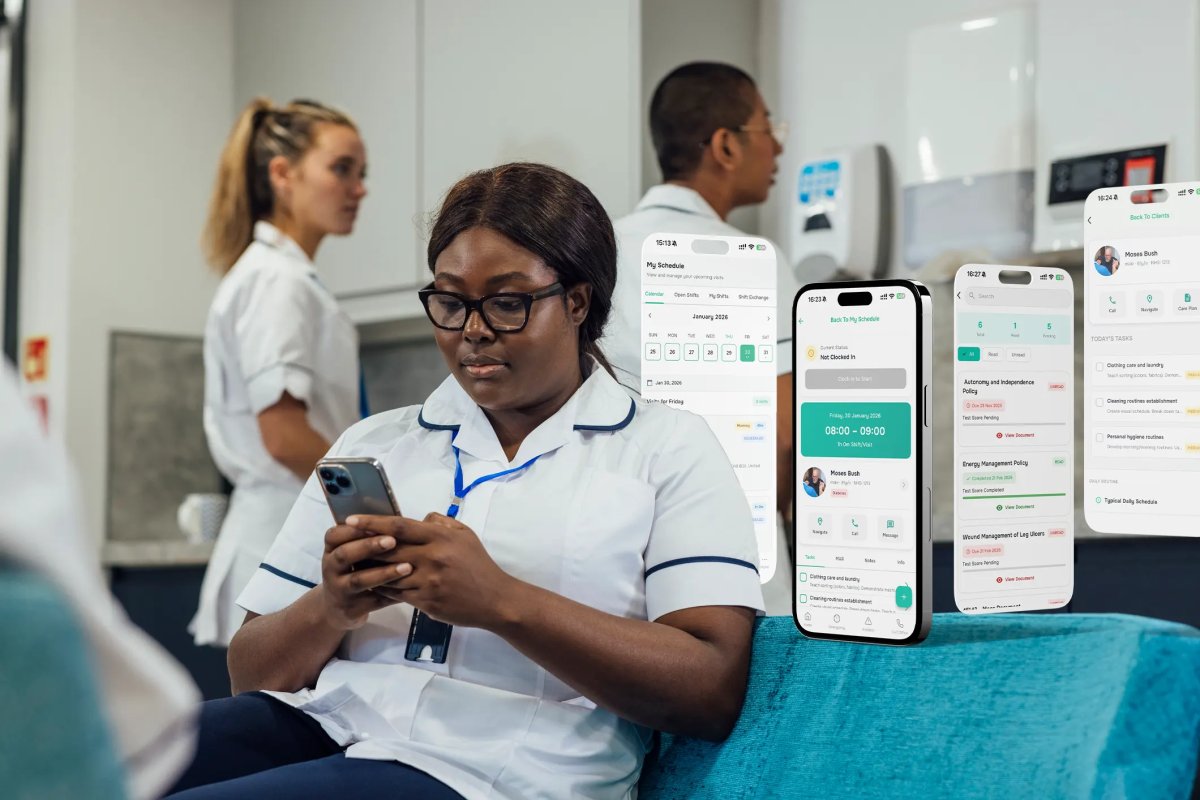
Your frontline carers need tools that work where they do. A user-friendly mobile app simplifies the administration process at the bedside, making it a collaborative part of the care routine. Top-tier medication management software uses QR codes or NFC tags to verify identity. Carers must scan a resident’s unique code to unlock the MAR chart, proving they’re physically present. For bespoke care needs like topical creams or wound dressings, photo evidence features allow staff to document exactly where and how a treatment was applied. This creates a transparent, visual history of recovery that provides immense peace of mind for families.
Our team understands how daunting these technical choices feel when you’re focused on the human side of care. If you’re looking for support in creating a bespoke care environment that prioritises safety and independence, we’re here to help you find the right path for your residents.

Evaluating Software: A Comparison Framework for UK Providers
Choosing the right medication management software is a significant milestone in your journey toward safer, more dignified care. You aren’t just buying a digital tool; you’re building a foundation for your team’s peace of mind and your residents’ safety. We understand that this choice feels heavy. It’s about ensuring every bespoke care plan is followed with precision, allowing your staff to focus on the human side of support rather than the stress of paper MAR charts.
Your framework for evaluation should start with scalability. A system that works for a small 10-bed residential home might struggle when your organisation grows to 500 service users across multiple sites. You need a partner that offers consistent performance regardless of your size. Security is the next pillar. Your provider must demonstrate robust data protection, including full GDPR compliance and Cyber Essentials Plus certification. These aren’t just boxes to tick; they’re promises that your residents’ most sensitive health histories remain private and secure.
Financial clarity is essential for any care home manager. Beyond the monthly subscription, you’ll encounter various costs that can impact your budget:
-
Implementation Fees: Expect to pay between £1,000 and £3,500 for initial setup and data migration.
-
Hardware Requirements: Most modern systems require tablets or handheld devices. Budget approximately £150 per unit for reliable, medical-grade hardware.
-
Training Charges: On-site training for a team of 20 can add £500 to £800 to your first-year costs.
-
Integration Fees: Some providers charge extra to link your software with existing care planning tools.
Standalone eMAR vs. Integrated Care Management
Specialist eMAR tools focus purely on the "medication round." They’re often very intuitive for nurses, but they can create "data silos" where medication records don’t talk to daily care notes. We believe holistic care thrives when you see a resident’s vitals, nutrition, and medication in one place. Integrated suites prevent gaps in knowledge. If a resident’s appetite changes, your team sees that data immediately alongside their latest prescription, ensuring a truly person-centred approach to their wellbeing. For providers seeking comprehensive digital transformation, understanding how to select the best care docs management software becomes crucial for unifying all aspects of resident care into a single, efficient platform.
Interoperability with Community Pharmacies
True efficiency comes from a "Closed Loop" system where your software talks directly to the pharmacy’s PMR (Pharmacy Management Toolkit). This digital handshake, a core focus of the NHS Digital Medicines Programme, reduces the 4 to 6 hours a week staff often spend on the phone chasing prescriptions. By 2025, the NHS aims for clinical data to flow seamlessly between GPs, pharmacies, and care providers. When your medication management software is fully interoperable, it reduces transcription errors by up to 90%. This gives your dedicated professionals more time to sit with residents, preserving their dignity and independence through meaningful companionship.
Our experience shows that the best software doesn’t just manage tasks; it supports the heartbeat of the home. It provides a "calm in the storm" for managers and a safety net for carers. By focusing on these technical and human factors, you ensure that your investment leads to a better quality of life for everyone under your roof.
Implementation: Moving from Paper to Digital Without the Stress
Transitioning your care home from paper MAR charts to a digital system is a significant step toward safer, more personalised care. It’s natural for you and your team to feel a mix of excitement and trepidation. We believe that a successful transition isn’t just about the technology; it’s about the people who use it every day. By following a structured, compassionate approach, you can turn a daunting task into a source of pride for your home.
We recommend identifying a "Digital Champion" within your existing team. This shouldn’t necessarily be the most senior person, but rather a staff member who is tech-savvy and approachable. According to 2023 research from Skills for Care, peer-led digital transitions are 40% more likely to be sustained over the long term. This champion acts as a bridge, answering quick questions on the floor and providing immediate reassurance when a colleague feels stuck. They help transform the software from a "management tool" into a "carer’s ally."
Start small with a phased rollout. Rather than switching the entire home on day one, begin with a single floor or a pilot group of five staff members. This allows you to refine your internal processes and build confidence in a controlled environment. You’ll find that as the first group masters the medication management software, their enthusiasm will naturally spread to the rest of the team. We also suggest building a training schedule that respects the demands of the care day. Use 20-minute "bite-sized" sessions instead of half-day seminars to ensure your residents still receive the dedicated attention they deserve.
Overcoming Staff Resistance
Staff anxiety often stems from the fear of making a mistake. You can alleviate this by using "Sandpit" environments; these are dummy versions of the software where staff can practice without affecting real resident data. Emphasise that this medication management software is a protective shield. In the event of an incident investigation, the digital audit trail provides clear, indisputable evidence that a carer followed the correct protocol, which provides vital peace of mind to your professionals.
Data Migration and the "Big Switch"
Moving existing MAR data into a new system requires meticulous care. In 2022, the NHS Transformation Directorate reported that a 48-hour "dual-running" period, where paper and digital systems operate side-by-side, can reduce transcription errors by 25%. Once the data is verified, set a firm "Go Live" date. We suggest making this a celebratory event. Small gestures, like providing a special lunch or team certificates, acknowledge the hard work your staff have put into modernising the home’s approach to safety.
Ready to see how digital tools can transform your daily routine? Explore our guide to choosing the right care support systems today.
The Care Daily Advantage: Integrated Policies and eMAR
Choosing the right medication management software is a vital step for any care home, but a digital tool is only as strong as the framework supporting it. We know that in a busy care environment, the pressure to maintain 100% accuracy is immense. Software alone cannot solve the complex challenges of clinical safety; you need a system where your digital records and your physical policies work in perfect harmony. We provide that bridge, ensuring your team isn’t just recording data, but following the highest standards of British clinical practice.
Our approach links your daily digital records to a comprehensive library of over 2,000 CQC-compliant procedures. This integration means that when a staff member uses the system, they are guided by the latest evidence-based protocols. We don’t believe in "off-the-shelf" solutions that leave you to do the heavy lifting. Instead, we offer bespoke implementation support specifically tailored to the UK social care sector. Our team works alongside you to map your existing workflows into the digital space, ensuring a transition that feels natural and supportive for your staff.
Legislation in the UK care sector never stands still. Changes to professional guidelines or CQC inspection frameworks can happen quickly, leaving many homes struggling to update their paper manuals. We remove this burden. Our system receives continuous updates to ensure both the software and the linked policies match the latest 2024 legislation. You can rest easy knowing that your "Golden Thread" of evidence is always current, protecting your residents and your registration.
Total Compliance: When Software Meets Policy
Many homes suffer from "zombie policies," which are outdated documents that don’t reflect how staff actually work. We eliminate this risk by embedding your procedures directly into the medication round. When a carer uses our medication management software, they are prompted with the exact steps required for complex tasks, such as administering controlled drugs or managing PRN protocols. This creates a seamless flow from policy to practice, providing a robust audit trail that satisfies even the most rigorous inspections.
Peace of Mind for Managers and Families
Manager burnout is a significant issue, with many leaders spending upwards of 12 hours a week on manual auditing and error correction. Our system automates these processes, reducing the time spent on audits by 45% on average. Beyond the office, our Family Portal provides a window into the care being provided. By giving loved ones transparent, real-time updates, we help you reduce anxious phone calls to the home by 30%, allowing your team to focus on what matters most: the residents. We invite you to see how this holistic approach can transform your home and bring lasting comfort to those you care for.
Book a bespoke demo of Care Daily’s medication management suite today
Future-Proofing Your Care Service for 2026 and Beyond
Transitioning to a digital approach isn’t just about efficiency; it’s about protecting the dignity and safety of those you support. By 2026, the shift from paper to a robust medication management software will be the standard for every CQC-rated provider aiming for excellence. You’ve seen how the right system reduces errors and gives your team the peace of mind they deserve. We understand that change can feel daunting, but you don’t have to navigate this journey alone. Our team provides bespoke UK-based implementation support to ensure your transition is seamless. We’ve already helped providers across England, Scotland, and Wales move away from outdated paper systems while maintaining full compliance through our included CQC policy library. You’ll find that having integrated eMAR and policies doesn’t just satisfy inspectors; it empowers your staff to deliver more compassionate, personalised care every single day. We’re ready to stand beside you as you take this vital step toward a more reliable future.
[Discover how Care Daily simplifies medication management for UK providers
](https://www.caredaily.co.uk/company/emar-system) We’re here to help you build a safer, more supportive environment for your residents and your dedicated staff.
Frequently Asked Questions
Is medication management software CQC compliant?
Yes, high-quality medication management software is designed to align directly with Care Quality Commission (CQC) standards, specifically Regulation 12 regarding safe care and treatment. By digitising records, you provide the clear audit trail required under the 2024 CQC single assessment framework. This transparency gives you peace of mind during inspections, as it proves your commitment to resident safety through accurate, real-time data.
How much does eMAR software typically cost for a small care home?
You can typically expect to pay between £100 and £250 per month for eMAR software in a small care home of 15 residents. Most providers also charge an initial setup or training fee, which often ranges from £500 to £1,200 depending on your needs. These bespoke packages ensure you only pay for the support your specific home requires, making digital transition affordable for smaller independent providers.
What happens if the internet goes down while a carer is giving medication?
Your care team won’t lose access to vital records because most modern systems include an offline mode that stores data locally on the device. Once your Wi-Fi connection returns, the software automatically syncs all entries to the central cloud. This ensures continuity of care and prevents any gaps in your records, keeping your residents safe even during temporary technical hitches.
Can medication software help reduce pharmacy dispensing errors?
Yes, medication management software significantly reduces risks by using barcode scanning to match the right resident with the right prescription. Studies from the NHS and Social Care Digital Transformation programmes show that digital systems can reduce medication errors by up to 50% compared to paper records. We believe this technology acts as a vital safety net for your dedicated professionals and the people they support.
Does the software work for both domiciliary care and residential settings?
We offer versatile solutions that cater to both domiciliary care and residential settings, though the features are often tailored to each environment. For home-based support, the software focuses on GPS verification and remote monitoring for family peace of mind. In residential homes, the system emphasises stock control and complex round management. This flexibility ensures your staff have the exact tools they need for their specific workspace.
How long does it take to train staff on a new eMAR system?
Most staff members become confident with a new eMAR system after just 2 to 4 hours of focused training. We recommend a phased rollout over a 14 day period to ensure everyone feels comfortable and supported during the transition. Our goal is to make the technology feel like a helpful companion rather than a burden, allowing your team to focus on providing compassionate care.
Can I use my existing tablets or phones with the software?
You can often use your existing hardware, provided the devices meet modern security standards such as Android 10 or iOS 13 and above. We recommend using dedicated work tablets to maintain data security and professional boundaries. This approach helps you manage costs while ensuring your team has reliable, familiar tools to record care interactions accurately throughout their shift.
What is the difference between eMAR and a Digital Social Care Record?
An eMAR system focuses specifically on the administration and tracking of medicines to ensure clinical safety. In contrast, a Digital Social Care Record (DSCR) is a comprehensive platform that covers all aspects of a resident’s life, from daily activities to personal preferences. While they serve different purposes, they often work together to provide a complete, bespoke picture of the individual’s wellbeing and health needs. For comprehensive guidance on implementing these systems effectively, our medication management best practice guide for 2026 offers detailed protocols and digital transition strategies that help reduce errors and ensure CQC compliance.