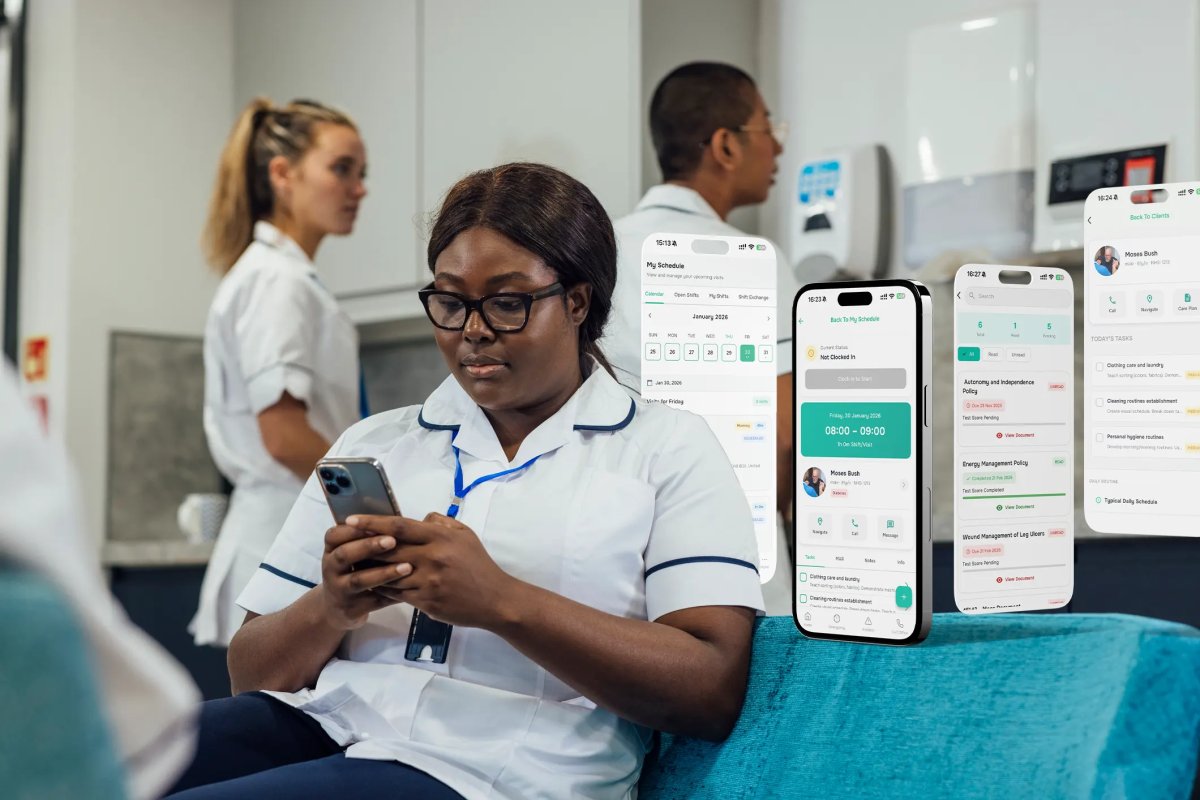


With the CQC set to launch a new assessment framework in the final quarter of 2026, the margin for error in risk management has never been smaller. You might be surprised to learn that whilst 80% of providers met the target for digital records in December 2025, 27% still haven’t adopted technology for daily care support. We know that managing these transitions whilst meeting the 30 June 2026 DSPT deadline feels like a heavy burden. At Care Daily, we find that the right digital risk assessment tools for social care don’t just simplify compliance; they protect the dignity and independence of the people you support.
We understand that your goal is to provide bespoke care without getting bogged down in administrative hurdles. This guide will help you understand the benefits of moving away from paper, identify tools that meet the latest MODS standards, and show you how to implement them effectively. You’ll discover how to enhance safety across your setting whilst ensuring your team has more time to focus on what matters most: the well-being of your clients.
Key Takeaways
- Transitioning from paper to digital systems provides immediate oversight and ensures that risk profiles for service users are always current and accessible.
- Identify how to choose digital risk assessment tools for social care that comply with MODS standards whilst meeting the unique needs of your domiciliary or residential setting.
- Master the process of integrating new software with your current client records and scheduling systems to prevent data silos and improve efficiency.
- Explore how digital evidence collection simplifies compliance with the regulator and provides the peace of mind that comes from robust, real-time safety reporting.
Understanding Digital Risk Assessment Tools in Social Care
In the social care sector, a risk assessment is much more than a box-ticking exercise; it’s a live process that ensures the safety and dignity of every individual. Digital risk assessment tools for social care replace static, paper-based folders with dynamic software that captures real-time changes in a service user’s needs. Unlike traditional methods where a risk profile might sit unread in a filing cabinet, these digital solutions provide instant visibility across your entire organisation. This ensures that every carer has the most current information at their fingertips, whether they’re in a residential setting or providing domiciliary care.
The transition to digital is no longer optional for those aiming to meet the regulator’s expectations. With the CQC introducing a new assessment framework in the final quarter of 2026, providers must prove that their evidence is systematically recorded and up to date. At Care Daily, we find that moving to a digital care planning environment allows managers to identify trends before they become incidents, directly supporting the government’s ambition for 80% of providers to be fully digitised. This proactive approach doesn’t just satisfy inspectors; it builds a foundation of trust with the families who rely on your services.
Key Features of Digital Risk Assessment Tools
Modern tools offer capabilities that paper simply cannot match. You’ll find that real-time data access means a carer can update a client’s risk profile during a visit, making that information immediately available to the office team. Automated alerts notify managers when a review is overdue or when a specific threshold, such as a high fall risk, is reached. This integration ensures that risk management isn’t a standalone task but a core part of your daily care delivery, creating a seamless flow of information that protects both staff and service users.
Why Digital Tools Are Superior to Paper-Based Assessments
Accuracy is the primary driver for this shift. Human error in paper records, such as illegible handwriting or missed signatures, accounts for significant compliance gaps. Digital systems enforce completion, ensuring every mandatory field is filled before a record is saved. Security is another vital factor. As of May 2026, the Version 8 Data Security and Protection Toolkit (DSPT) requires providers to meet stricter standards to achieve ‘Standards Met’ status. Digital tools provide encrypted storage and clear audit trails that paper records lack. This transition saves your team hours of administrative work, allowing them to focus on providing compassionate, bespoke support.
Implementing Digital Risk Assessment Tools in Your Care Setting
Moving from a paper-based system to a digital environment can feel like a daunting task for any busy manager. Success begins with a clear-eyed look at your current processes to identify where information is getting lost. If you are amongst the 27% of providers still reliant on manual systems, your biggest gaps are likely the time lag between an incident occurring and the record being updated. Transitioning to digital risk assessment tools for social care requires a phased approach that respects the expertise of your team whilst introducing the precision of modern technology.
At Care Daily, we find that the most effective implementations start with a pilot group. By involving your senior carers early, you can ensure the digital forms reflect the bespoke needs of your service users. This collaborative approach lowers defensive barriers and ensures that by the time you reach the 30 June 2026 DSPT deadline, your team feels confident and capable. It is about creating a culture where safety is a shared responsibility, supported by reliable data rather than buried in paperwork.
Choosing the Right Tool for Your Needs
Selecting a solution is a significant decision that impacts your daily operations. You must ensure any platform you choose aligns with the Minimum Operational Data Standard (MODS) published in April 2025. All assured suppliers are required to comply with these technical standards by July 2026. Beyond compliance, look for user-friendliness. A tool that is too complex will simply not be used. We recommend choosing a platform that offers a comprehensive library of templates and integrates seamlessly with your existing client records to provide a single point of truth.
Training and Support for Staff
Training your dedicated professionals is the bridge to success. Our customers tell us that short, practical sessions held in the actual care environment are far more effective than long classroom lectures. Focus on how the tool preserves the independence of service users by providing more accurate, real-time risk profiles. Provide ongoing resources, such as quick-start guides, and monitor feedback closely during the first month. When carers see that digital tools reduce their administrative burden, they can return their focus to providing high-quality, compassionate care.
Ready to enhance safety and compliance? Get started with Care Daily to discover how our care management and policy compliance platform can transform your setting and provide lasting peace of mind.
Integrating Digital Tools with Existing Care Management Systems
For a care setting to run smoothly, your digital tools must speak the same language. Fragmented systems where risk assessments live in one place and daily notes in another create dangerous data silos. At Care Daily, we believe that digital risk assessment tools for social care should be the heartbeat of your operation, feeding vital safety information directly into your client records and scheduling. When these systems are integrated, a change in a service user’s mobility status automatically alerts the rostering team to assign carers with specific manual handling training. This creates a safety net that protects both your clients and your staff.
Achieving this level of interoperability is now a regulatory priority. The Minimum Operational Data Standard (MODS), published on 1 April 2025, requires all assured suppliers to ensure their systems can share data securely by July 2026. This move towards a “single point of truth” means you spend less time duplicating data and more time delivering bespoke care. To ensure your documentation remains robust during this shift, you can explore our policy compliance solutions which are designed to sit alongside your digital care records.
Challenges in Integration and Solutions
The most common hurdle we see is the fear of data migration. Moving years of historical risk data into a new system feels overwhelming. Our customers tell us that a “clean slate” approach often works best, where you focus on migrating active risk profiles first whilst archiving older records. Compatibility is another concern; however, by choosing a supplier from the NHS Assured Solutions List, you ensure the technology meets national standards for security and interoperability. This reduces technical friction and allows your team to focus on the person, not the software.
Case Studies: Successful Integrations
Recent data from July 2025 shows that 80% of CQC-registered providers have successfully adopted digital social care records. Large providers, supporting 200 or more people, have seen a 15% reduction in administrative errors by linking their risk assessment tools directly to their eMAR systems. One registered manager told us that since integrating their risk assessments with staff rostering, they’ve seen a significant improvement in “continuity of care.” They no longer worry about a new carer walking into a situation without knowing the latest safety protocols. This joined-up approach provides the quiet confidence needed to handle complex care needs with ease.
If you are looking to unify your care management and compliance, start your integration journey with Care Daily and see how a connected system can provide true peace of mind.
Real-World Benefits and Testimonials from Digital Tool Users
The true value of digital risk assessment tools for social care isn’t found in the software code, but in the time it gives back to your team. When you remove the burden of searching through ring binders or cross-referencing paper logs, you allow your companions to focus on the person in front of them. At Care Daily, we find that providers who digitise see a marked improvement in their audit readiness. Instead of spending weeks preparing for an inspection, managers can generate comprehensive risk reports in seconds, providing the regulator with clear, chronological evidence of safe care delivery.
Efficiency gains are significant across the board. A 2025 survey found that 63% of providers using digital tools experienced smoother daily operations, particularly when managing complex risk profiles alongside staff rostering. This streamlined approach means that incident reporting is no longer a chore that happens at the end of a long shift. It becomes a natural part of the care interaction, ensuring that details are accurate and interventions are immediate. This level of responsiveness is what transforms a standard service into a bespoke care experience that truly respects the independence of the service user.
User Testimonials: Success Stories
Our customers tell us that the transition often brings unexpected emotional rewards. One registered manager in a domiciliary care setting shared that their staff felt “empowered” by having instant access to risk profiles on their mobile devices. They no longer felt they were working in the dark. Another compliance officer noted that since moving away from paper, they’ve identified a 40% reduction in “near-miss” incidents. The digital system flags recurring patterns that were previously hidden in handwritten notes, allowing for earlier intervention and better protection for service users.
Long-Term Impact on Care Quality
In the long term, the adoption of digital systems fosters a culture of continuous improvement. Staff satisfaction tends to rise when the administrative burden is removed, leading to better retention rates amongst your most valued carers. Organisational benefits extend to families too. Through integrated portals, you can provide relatives with the peace of mind that comes from knowing their loved one’s risks are being managed with clinical precision and genuine compassion. This transparency builds a bridge of trust that is essential for any modern care provider aiming for excellence in the UK social care landscape.
If you’re ready to see how these benefits can transform your own setting, you can view our pricing options or book a personalised demonstration to explore our platform’s capabilities.
Securing the Future of Your Care Setting
The shift towards a fully digitised social care sector is no longer a distant ambition; it’s a current reality. With the 30 June 2026 DSPT deadline fast approaching and new CQC assessment frameworks arriving later this year, the time to modernise your approach is now. You’ve seen how digital risk assessment tools for social care can transform stagnant paper records into live, protective data that ensures the safety and dignity of your service users. By choosing a solution that complies with MODS standards and integrates with your existing client records, you’re giving your dedicated professionals the gift of time.
At Care Daily, we’re proud to be trusted by leading UK care providers who value both clinical competence and human warmth. Our platform offers the comprehensive support and training you need to make this transition a success. Start your journey with Care Daily today and discover how bespoke technology can provide lasting peace of mind for your team and the families you support. We’re here to guide you every step of the way.
Frequently Asked Questions
What are digital risk assessment tools?
Digital risk assessment tools for social care are software platforms that allow carers to record, evaluate, and monitor risks in real-time. Unlike static paper forms, these tools use interactive templates to guide staff through the assessment process. They ensure that every potential hazard is identified and mitigated according to the latest clinical standards. This proactive approach helps you maintain high-quality care whilst ensuring that risk profiles are always accessible to the entire support team.
How do digital tools improve compliance in social care?
Digital tools improve compliance by creating an indisputable audit trail of every assessment and review. The regulator expects to see evidence that care is real-time and systematically recorded. These systems use mandatory fields to prevent carers from saving incomplete assessments, which significantly reduces the risk of compliance gaps. You can generate professional reports for inspectors at the touch of a button, demonstrating your commitment to safety and quality of life.
What are the benefits of switching from paper-based assessments?
Switching from paper-based assessments eliminates the risk of illegible handwriting and lost documentation. You gain immediate visibility across your entire organisation, allowing managers to spot trends or emerging risks without waiting for physical files to be returned to the office. Our customers tell us that removing manual paperwork saves their teams several hours each week. This reclaimed time allows your dedicated professionals to focus on providing bespoke, person-centred care that preserves the independence of your service users.
How can I ensure a smooth transition to digital tools?
You can ensure a smooth transition by adopting a phased implementation plan that begins with a small pilot group of staff. Involving your senior carers early helps them become internal champions who can support their peers during the wider rollout. Focus on the practical benefits, such as how the software simplifies their daily tasks. Providing continuous support and using easy-to-navigate systems ensures that your team feels confident and capable as they move away from traditional methods.
What should I look for when choosing a digital risk assessment tool?
You should prioritise solutions found on the NHS Assured Solutions List to guarantee they meet rigorous safety and interoperability standards. It’s essential that the software is MODS compliant by the July 2026 deadline to ensure long-term viability. Look for a platform that offers a library of over 500 templates, as this allows you to create bespoke risk profiles quickly. Choosing digital risk assessment tools for social care with a user-friendly interface is also critical for ensuring that your companions can use the tool effectively.
Are digital tools secure enough for sensitive client data?
Digital tools are significantly more secure than paper records because they employ advanced encryption and role-based access controls. Whilst paper files can be misplaced or viewed by unauthorised persons, digital systems ensure that sensitive data is only accessible to those who need it. Meeting the standards required for the 2025-26 DSPT assessment provides a framework for this security. This level of protection ensures that your service user’s dignity and privacy are maintained at all times.