

If you’re still waiting for a scheduled visit to start your compliance checks, you’re already behind the curve. With the regulator aiming to complete 9,000 assessments by September 2026, preparing for a CQC inspection 2026 is no longer a one-off event but a continuous commitment to quality. At Care Daily, we understand that the transition from the Single Assessment Framework to the newly re-introduced sector-specific models can feel like a moving target for even the most experienced registered managers.
We know the weight of responsibility you carry to avoid poor ratings whilst trying to keep your staff engaged in digital record-keeping. This article provides a clear roadmap to help you navigate these regulatory changes with confidence and ease. We’ll explore how to build a living portfolio of evidence that satisfies the regulator’s return to rating characteristics, ensuring you’re always ready for an assessment window without the last-minute panic.
Key Takeaways
- Understand why the regulator has moved towards continuous monitoring and how this shift affects your daily record-keeping routines.
- Discover how to gather meaningful evidence across all six categories, from person-centred feedback to robust internal processes.
- Use practical strategies for preparing for a CQC inspection 2026, including the use of mock assessments to identify compliance gaps early.
- Learn how to engage your staff with the Quality Statements, ensuring they feel confident and supported during regulatory conversations.
- Explore the role of digital tools in maintaining a real-time portfolio of evidence that remains accessible and accurate at all times.
Understanding the Single Assessment Framework in 2026
The Single Assessment Framework (SAF) represents a fundamental shift in how the Care Quality Commission (CQC) monitors and rates services. It’s a unified model designed to streamline regulation across all health and social care settings, ensuring a consistent standard of safety and compassion. For registered managers, this means the old cycle of “preparing for a visit” every few years has vanished. In 2026, the regulator prioritises continuous monitoring, relying heavily on real-time data and frequent evidence submissions. Successfully preparing for a CQC inspection 2026 requires moving away from reactive “deep cleans” of your paperwork. Instead, you need an “always-on” compliance mindset where quality is captured as it happens.
The five key questions-Safe, Effective, Caring, Responsive, and Well-led-remain the backbone of every assessment. However, the way you answer them has changed. The regulator now looks for a living narrative of your service’s performance rather than a snapshot taken on a single day. This approach rewards providers who maintain high standards consistently, but it can feel overwhelming for those still relying on manual, paper-based systems. We find that the most successful providers are those who treat compliance as a daily conversation with their staff and clients, rather than a monthly audit task.
The End of the Two-Week Notice Period
Gone are the days of a reliable two-week warning before an inspector arrives at your door. The regulator now operates within “assessment windows,” meaning they can request information or conduct a site visit at any time based on the data they receive. You’ll need to use the Provider Portal regularly to submit updates and evidence. This shift can feel daunting, but it’s manageable if you organise your digital records effectively. At Care Daily, our customers tell us that maintaining a steady flow of evidence reduces the pressure when a sudden request arrives. It’s about building a system that works for you, not just for the regulator. Managers should schedule short, weekly “data drops” to ensure the portal remains an accurate reflection of the excellent care being provided.
Quality Statements: The New KLOEs
You’re likely familiar with the Key Lines of Enquiry (KLOEs), but these have been replaced by Quality Statements. These statements are expressed as “We” statements, which describe what a good service looks like, and “I” statements, which reflect the experience of the service user. For example, a domiciliary care service might prove it is “Caring” by showing digital records of personalised care plans that reflect a client’s specific cultural preferences. When a carer records that they’ve followed these preferences during a morning visit, it creates a digital footprint of high-quality, person-centred support. Proving these outcomes is much easier when you have home care domiciliary care policies and operational documents that stay current. This ensures your team follows the latest best practices, creating the natural evidence the regulator looks for during an assessment window.
Navigating the Six Evidence Categories for Compliance
The regulator uses six specific categories to form a judgement on your service. These include people’s experience, feedback from staff and leaders, feedback from partners, observation, processes, and outcomes. Understanding these is vital because the regulator applies different weights to each category depending on your service type. For instance, a care home will likely see a heavier emphasis on “Observation” than a domiciliary care provider. Successfully preparing for a CQC inspection 2026 means knowing which categories carry the most weight for you and ensuring your evidence is organised accordingly.
Without a robust audit trail, even the most compassionate care can be rated “Inadequate” simply because it wasn’t documented. It’s a frustrating reality for many registered managers, but it’s one that digital systems can solve. At Care Daily, we find that managers who categorise their evidence digitally throughout the year feel significantly more confident. They aren’t scrambling for paper files; they’re simply presenting a clear, chronological story of their service’s quality.
Capturing People’s Experience and Partner Feedback
Digital surveys provide real-time evidence of how service users and their families feel about their support. We suggest moving away from annual paper surveys, which only offer a delayed snapshot. Instead, use digital tools to capture spontaneous praise and feedback as it happens. You must also document your collaboration with GPs, pharmacists, and local authorities. Storing these interactions within your digital care planning records proves you’re working effectively as part of a wider professional team. This creates a transparent record of partnership that is easily accessible during an assessment window.
Evidence of Safe Processes and Clinical Outcomes
Safety is often proven through the “Processes” category. Implementing an eMAR system is one of the most effective ways to prove safe medication management, as it provides an instant, error-free record of every dose administered. Your incident and accident reporting should also feed directly into the “Outcomes” evidence category. When you can show that you’ve analysed a fall and immediately updated a risk assessment, you demonstrate a proactive culture of learning. Clinical indicators like MUST or Waterlow scores provide the measurable safety data the regulator needs to see to verify that your clinical outcomes are being managed effectively. If you want to see how these categories look in practice, you can book a tailored walkthrough of our compliance tools.
Practical Steps for an Inspection-Ready Culture
Preparing for a CQC inspection 2026 shouldn’t be a source of anxiety for your team. We believe that the best way to lower the temperature is to turn compliance into a daily habit rather than a quarterly crisis. We suggest conducting regular mock inspections that mirror the current assessment style. This helps your staff become familiar with the types of questions they might face and allows you to identify any gaps in your evidence before the regulator does. It’s much easier to fix a missing signature on a risk assessment today than it is to explain it during an assessment window whilst the inspector is on-site.
A central part of this culture is maintaining a Live Evidence Folder. This shouldn’t be a dusty ring-binder in the manager’s office; it needs to be a digital repository that you can share with the regulator at short notice. You should also perform frequent audits of your staff rostering. Proving you have safe staffing levels is a core requirement, and having a clear, digital trail of your rotas makes this evidence indisputable. When your records are always up to date, you move from a state of “preparing” to a state of “readiness.”
Empowering Staff to Speak with Confidence
Your carers are your greatest asset during an assessment. We find that staff feel much more confident when they understand how the Quality Statements relate to their daily work. Encourage them to see digital care records as their memory bank. If an inspector asks about a specific client’s choice, a carer can quickly refer to the digital care plan to prove they provide person-centred support. This openness supports a Well-led culture where everyone feels safe to raise concerns and celebrate successes together.
The Manager’s Monthly Compliance Checklist
Consistency is the hallmark of a “Good” or “Outstanding” service. We recommend a structured monthly audit that covers MAR charts, care plan reviews, and health and safety checks. You can use our document library to find templates that help you track these tasks efficiently. Don’t forget to update your Statement of Purpose and recruitment records regularly to ensure they reflect your current operations. If you’re ready to simplify your monthly audits and build a more resilient service, get started with our compliance tools today.
Leveraging Digital Tools to Streamline CQC Evidence
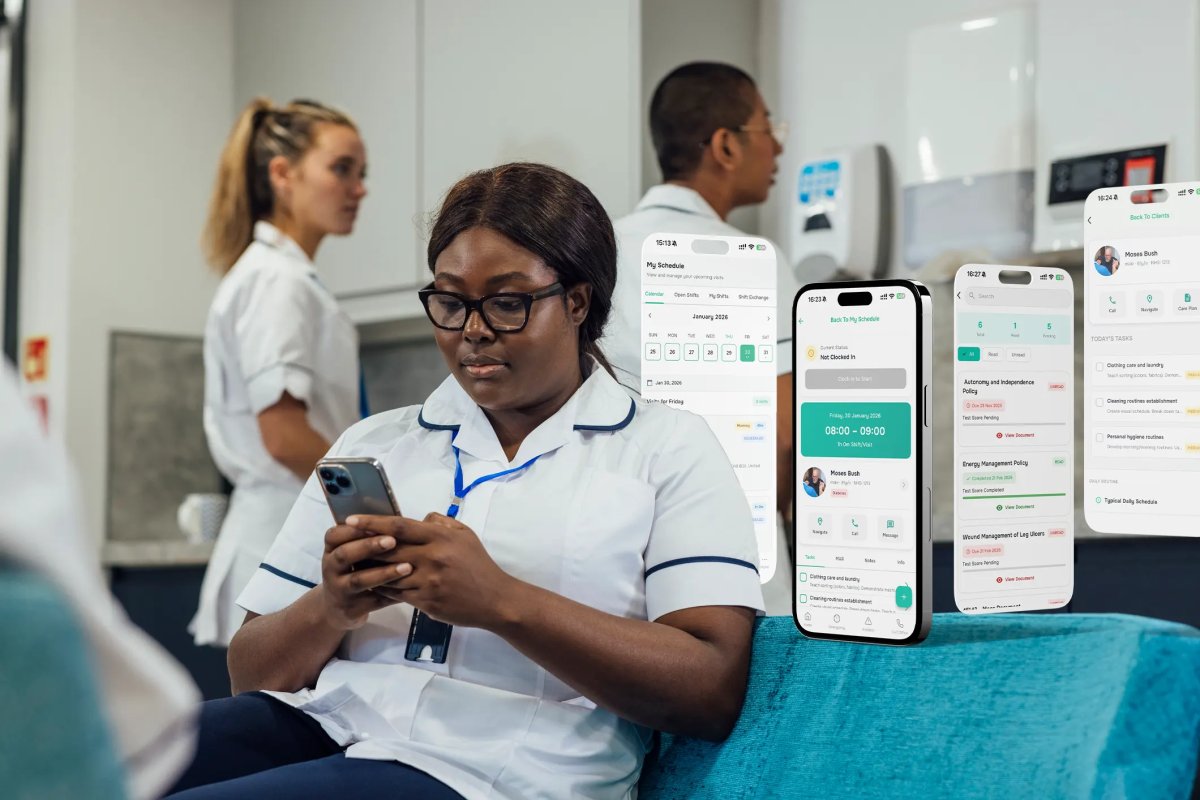
Transitioning to digital care management software UK services trust is the most practical way to bridge the gap between daily care delivery and regulatory requirements. At Care Daily, we find that having a central hub for all evidence categories removes the administrative burden that often leads to manager burnout. Instead of manually cross-referencing paper folders, you can use real-time dashboards to spot compliance dips whilst they are still manageable. This proactive oversight ensures that your service remains stable and safe, regardless of when an assessment window opens. We believe that technology should act as a supportive partner, allowing you to focus on the human side of care whilst the system handles the data.
Automating the Audit Trail
When you use integrated eMAR and digital care planning, you create a timestamped, unalterable record of every interaction. This level of detail is essential for the “Process” evidence category, as it proves that your policies are being followed by every carer on every shift. Our platform allows for the rapid export of this data, making it simple to upload evidence to the Provider Portal without spending hours at a photocopier. This transparency builds immediate trust with the regulator, showing that your service maintains high standards through a reliable, digital-first approach.
Maintaining a Compliant Policy Library
Relying on paper-based manuals in 2026 carries a significant risk. If a policy is even a few months out of date, it can lead to a “Requires Improvement” rating during a focused assessment. We provide a library of 500+ cqc compliant care policies and procedures that update automatically to reflect the latest legislative changes. This gives you the peace of mind that your team is always working to the highest legal and clinical standards. We invite you to book a demo to see how we simplify compliance and help you reclaim your time for what matters most.
Ultimately, preparing for a CQC inspection 2026 is about moving from a state of apprehension to a state of quiet confidence. By embracing digital transition, you ensure that your evidence is always ready, your staff are always supported, and your clients always receive the high-quality, person-centred care they deserve. It’s a journey we’re proud to take alongside you, providing the tools and expertise needed to master the ever-changing regulatory landscape.
Securing Your Service’s Future with Proactive Compliance
Mastering the regulator’s new approach doesn’t have to be a source of stress. By shifting your focus from “inspection day” to a culture of continuous digital evidence, you ensure your service users receive the safest, most responsive support possible. We’ve seen that the most resilient managers are those who empower their teams with the right tools, turning compliance from a burden into a shared achievement. Successfully preparing for a CQC inspection 2026 is about maintaining consistency and visibility every single day.
At Care Daily, we provide the stability you need to navigate these regulatory changes with confidence. Our comprehensive eMAR and care planning suite is trusted by registered managers across the UK to maintain an unshakeable audit trail. With access to over 2,000 professionally written care policies, you can rest assured that your documentation always meets the highest standards. We’re here to support you in protecting your rating and your service’s reputation. Join over 2,000 care providers using Care Daily to master CQC compliance and take the first step towards a calmer, more controlled assessment window.
Frequently Asked Questions
What is the biggest change when preparing for a CQC inspection in 2026?
The most significant shift is the move away from the Single Assessment Framework towards sector-specific models and continuous, data-led monitoring. Preparing for a CQC inspection 2026 means you’re always under assessment, as the regulator now tracks your data and feedback in real-time. This replaces the old “inspection day” rush with a requirement for a permanent state of readiness and regular evidence submissions via the Provider Portal.
How much notice will the CQC give for an assessment under the SAF?
Notice periods have largely been replaced by assessment windows, meaning you may receive as little as 24 to 48 hours’ notice for a site visit. In many cases, the regulator might request specific documents or data via the Provider Portal with very short deadlines. Maintaining a digital evidence portfolio ensures you aren’t caught off guard when these sudden requests for information arrive at your service.
Can the CQC carry out an assessment without visiting my service in person?
Yes, the regulator frequently conducts assessments entirely off-site by reviewing your digital records and third-party feedback. They use the Provider Portal to analyse your policies, incident reports, and clinical data without always needing to step foot in your building. This makes the accuracy and accessibility of your digital care management system just as important as the physical environment of your care setting.
What are the six categories of evidence the CQC looks for in 2026?
The regulator evaluates six evidence categories: people’s experience, feedback from staff and leaders, feedback from partners, observation, processes, and outcomes. Whilst all six are important, the weight given to each varies by service type. For example, “Observation” is a primary category for residential settings, whereas “People’s experience” is often the leading evidence source for domiciliary care providers during their assessment window.
How does digital care software help with CQC compliance?
Digital software acts as a central hub that automatically captures the evidence needed for each Quality Statement. When preparing for a CQC inspection 2026, tools like eMAR and digital care planning provide a timestamped audit trail that proves your processes are safe and effective. It allows managers to spot compliance gaps through real-time dashboards and resolve them before they become serious regulatory concerns.
What should I do if my service receives a “Requires Improvement” rating in 2026?
You should immediately develop a robust action plan that addresses the specific Quality Statements where your service fell short. Use your digital systems to track your progress and upload evidence of these improvements to the Provider Portal as they occur. The regulator looks for a culture of learning, so demonstrating that you’ve analysed the failure and implemented new, safe processes is the most effective way to restore your rating.